Malleable iron pipe fittings play a critical role in the safety, reliability and efficiency of fire protection systems. For the contractor engaged in installation of complex fire protection systems, the selection of the correct type of fitting is critical in ensuring compliance with relevant standards, preventing leakage and ensuring long term reliability of the system. This article presents a structured checklist and provides the contractor with key information required to select the correct malleable iron fittings for use in fire protection systems and to install them safely and efficiently.
What Are the Key Considerations When Choosing Malleable Iron Pipe Fittings for Fire Protection Systems?
Choosing the correct malleable iron fittings for fire protection systems involves evaluation of mechanical properties, approval to relevant standards and compatibility with other materials within the system. Therefore it is important that fittings are suitable for use, are durable and corrosion resistant and are approved for use in the fire suppression system.
Material Composition and Mechanical Properties
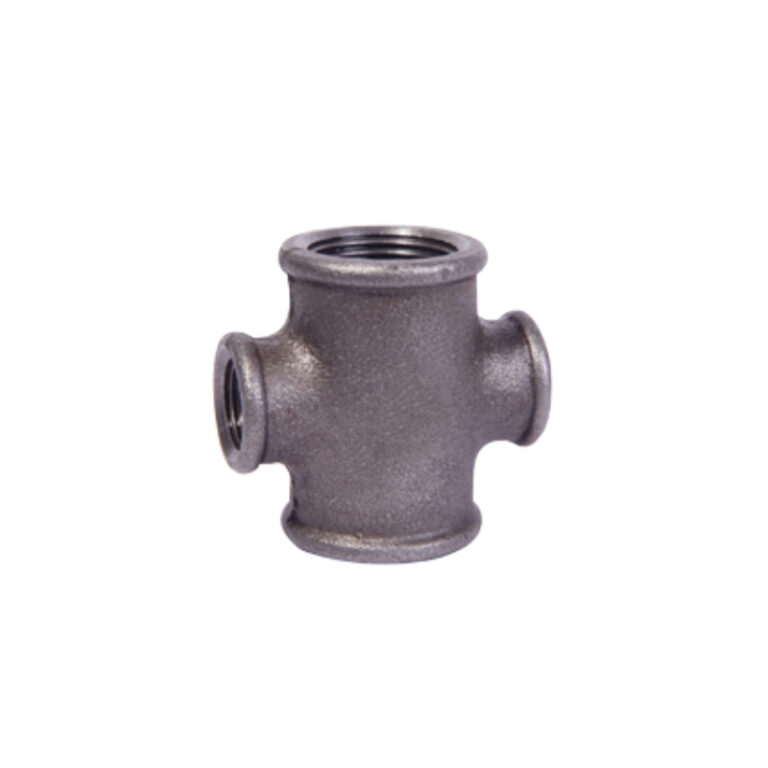
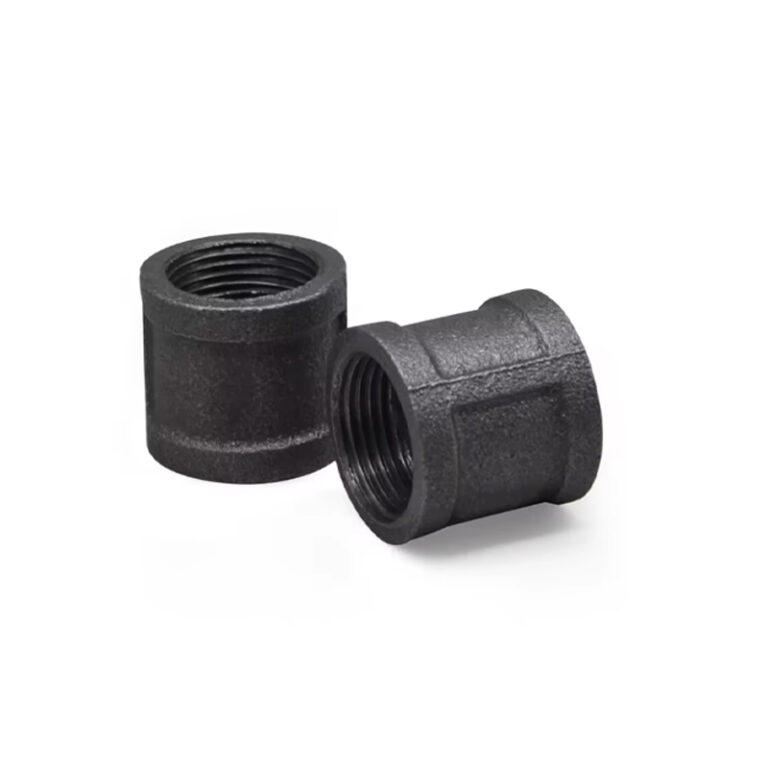
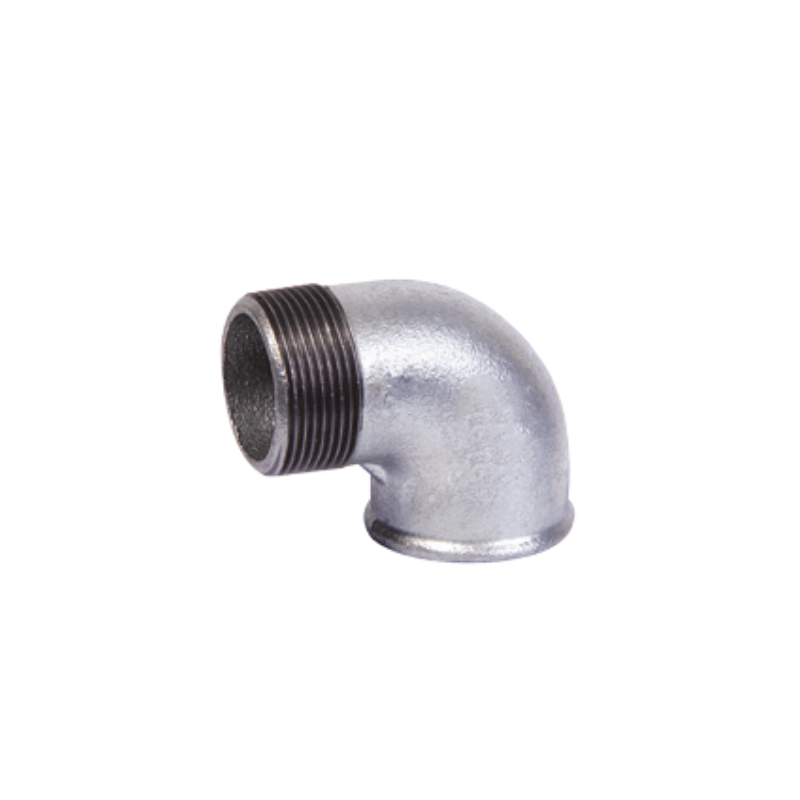
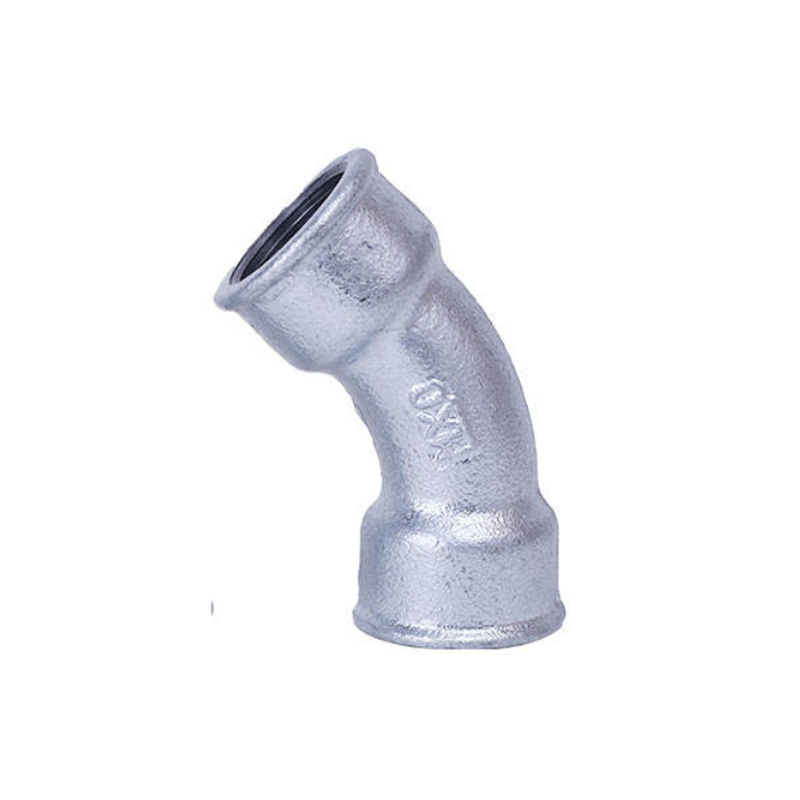
Malleable cast iron pipe fittings are widely used in fire protection systems because of their strength and flexibility. The ability of the pipe fitting to resist change in pressure when the system is activated, as well as to withstand higher temperatures for long periods of time, are key characteristics that allow it to maintain its structure. Pipe fittings are also fitted with a corrosion resistant coating such as a galvanized finish or epoxy finish to resist degradation in wet or outside environments. On the Fluid Tech website, various types of BS/EN standard and American standard malleable cast iron pipe fittings are presented to satisfy a variety of specifications. Each item of malleable cast iron pipe fittings are designed to provide accuracy in dimensions as well as durability in service.
Compliance with Fire Protection Standards
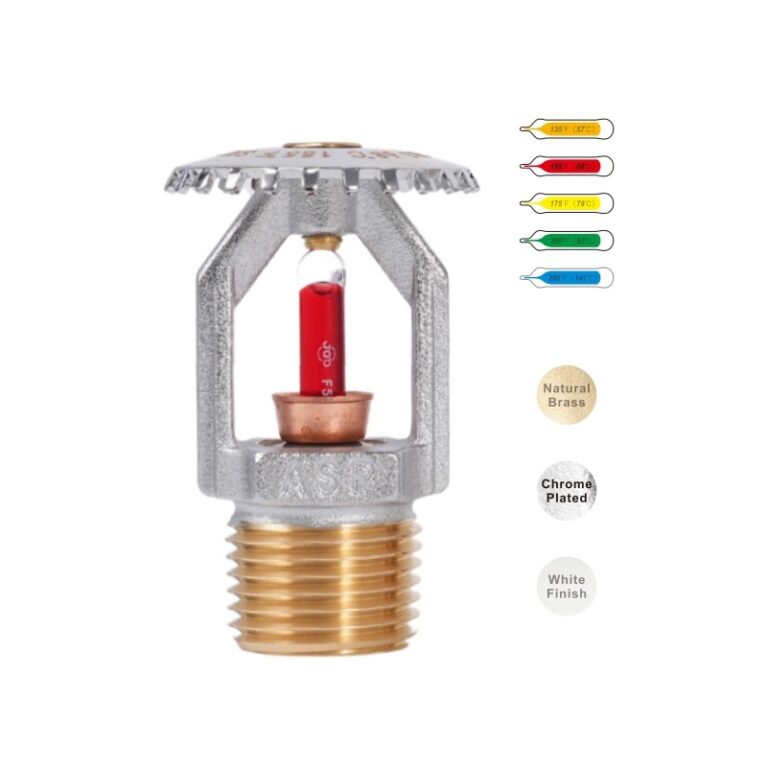
In addition to complying with safety criteria of fire protection systems, all fittings must meet the NFPA requirements and hold a rating by UL or FM authorities. Xiamen Watchar Fire Protection Products Export Co., Ltd. of China adheres to international standards and all of its fire protection products exported to various countries have passed the certification of a number of authoritative organizations such as FM/UL/CE/LPCB/VDS to guarantee the high quality and reliability of its products. Contractors must verify that local building codes and insurance specifications conform to the above ratings. Verify the test data of the manufacturer for the pressure rating and temperature limits for the components that you select to ensure that they can operate without failure under the various demands of operation.
Compatibility with Piping Materials
Fittings must be compatible with pipes to prevent leaks. For steel or ductile iron pipe systems the connections must be of the correct size. Also the thread type must match i.e. be a BSPT (tapered) connection as per British Standard or an NPT (tapered) connection as per American Standard. A selection of female threaded tees, elbows, sockets & reducing fittings are available from Fluid Tech. These are manufactured to DIN, BS/EN or American Standard. Galvanic corrosion between different metals can be avoided to increase life.
How Do Pressure Ratings and Temperature Resistance Affect Selection?
The service pressure, in terms of the pressure rating and the temperature rating, of malleable iron pipe fittings will dictate their performance in emergency situations. It is wise to select components that will exceed the design pressure for permanent service.
Evaluating Pressure Classes for Fire Suppression Applications
Each fire protection system—whether wet, dry, or deluge—operates within specific pressure limits. Fittings should be rated above expected operating pressures to maintain a safety margin against surges during sprinkler activation. Periodic inspection of pressure-retaining capacity is necessary throughout maintenance cycles to confirm ongoing compliance.
Assessing Temperature Resistance During Fire Events
As a fire develops, temperature will rapidly increase and put a lot of stress on the metal joints. It is very important that the fitting resists the thermal expansion to maintain the thread and not deform under heat. It is possible to read on the data sheets of the manufacturers a comparison of the performance of the components in different temperature ranges and thus select the best components for extreme conditions of use.
Why Is Corrosion Protection Critical in Fire Protection Installations?
Corrosion is the most common cause of system degradation over time and the protection of it in fire protection systems, where reliability is paramount, can extend the life of these systems for years.
Surface Treatments That Enhance Longevity
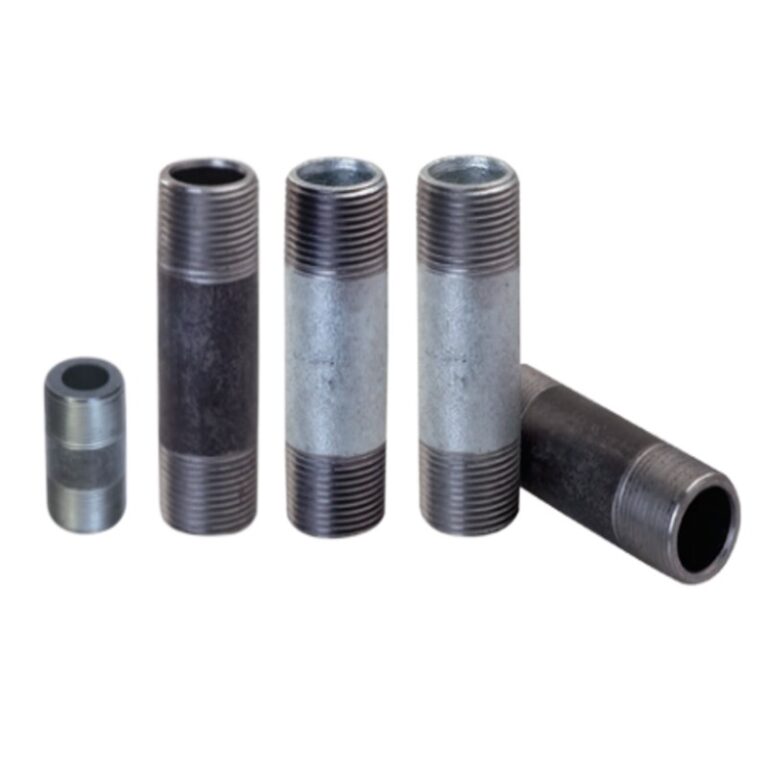
Hot-dip galvanizing provides excellent protection against oxidation as the zinc layer creates a protective surface barrier on the fitting. Zinc-plated finishes are suitable for mild indoor corrosion where the environment is not excessively harsh and are better than many other finishes for indoor applications. For more extreme, industrial environments where corrosion from moisture or from chemicals are of concern, an epoxy finish provides the very best protection. Fluid Tech’s malleable iron pipe fittings are available in black or hot-dip galvanized.
Environmental Factors Influencing Corrosion Rates
When choosing a coating for site installations, it is important for contractors to evaluate humidity, salinity and air quality. For outside applications as opposed to inside, the thickness of the galvanization coating can be increased. Regular inspections are vital to pick up the first signs of any rust before it becomes a problem for the structure as a whole.
What Role Does Thread Quality Play in Leak Prevention?
The quality of threads between connected parts in a fire suppression network has a direct effect on the sealing between those parts.
Thread Standards and Manufacturing Accuracy
Fluid Tech precision threading provides for tight joints which can operate at high internal pressures without leakage. Fluid Tech threaded malleable iron pipe fittings are manufactured to an ISO 7/1 (BSPT) standard for international markets and to an ANSI B1.20.1 (NPT) standard for the North American market. When inspecting threaded connections, ensure that all threads are straight and free from any burrs or damage prior to use. Also ensure that any sealants or lubricants used on threaded connections are compatible with both water-based and foam-based agents to avoid any potential incompatibility problems.
Assembly Practices That Reduce Leakage Risk
Appropriate use of torque during assembly to prevent over-tightening of fittings which could damage threads or create misalignment of components. Avoid over application of sealant to prevent obstruction of flow paths within the fitting joint. Hydrostatic testing of completed assemblies to confirm leak tightness prior to operational use.
How Can Contractors Ensure Quality Assurance When Sourcing Fittings?
Quality assurance starts at supplier selection and ends with the delivery inspection.
Supplier Evaluation Criteria for Professional Contractors
When selecting suppliers, contractors need to check the suppliers’ credentials such as certification to ISO 9001 etc. and whether the supplier is able to provide adequate traceability documentation. During technical discussions with potential suppliers, it is also important to test their ability to respond to queries. Our warehouse is situated at our northern logistics center, where we provide one-stop procurement for global construction companies. Our experienced staff and corresponding systems enable us to provide a consistent and fast supply of materials even for large-scale projects that require several hundred joints.
Inspection Protocols Before Installation
At shipment, random sampling inspections are conducted for dimensions and surface finish. Non-destructive examination methods are used on critical areas operating at high pressure. Inspection results are recorded and form part of project documentation for submission to authorities.
Who Is FLUID TECH PIPING SYSTEMS (TIANJIN) CO., LTD?
In northern China, the Fluid tech group is the first enterprise that focuses on the field of fire protection and brings its own brand “IF” to the market with grooved coupling and grooved fittings. Based in Tianjin in 2018, flutech piping systems, a Processing plant for Piping Systems cooperates with several castings, pipe fittings and processing plants around the area. Fluid Tech globally supplies a one-stop purchasing system for malleable iron pipe fittings for fire protection systems, Heating, ventilation & air conditioning, piping for water supply and gas distribution etc. fire protection products are being exported with approval of FM/UL/CE/LPCB/VDS approvals. all the factories in production possess relevant approvals of iso/ sgs/ tuv etc. approvals. Clients from all around the globe trust Fluid Tech as an expert for piping systems, as a reliable partner for contractors.
What Are Practical Steps Contractors Can Take Before Project Commissioning?
Prior to putting a new installation into service all connections must be checked to ensure that they are sufficient from a mechanical integrity perspective using a structured pre commissioning check.
Pre Commissioning Checklist Items
Ensure all joints and connections are torqued to the manufacturer’s specification’s using the correct tooling. A full hydrostatic test for the complete system to verify the relevant working pressure without leakage. Check the branch connections for squareness before filling up with water to avoid mis-alignment putting undue stress on the fittings. The accurate labelling of all items will assist with any future maintenance requirements. Also ensure that adequate documentation has been produced to enable traceability when handing over the complete system to other parties.
Conclusion
Choosing the proper malleable iron pipe fittings requires consideration of several criteria including: the tensile strength of the material when under load; the surface treatment to resist corrosion; the threads on the pipe and fitting to maintain a seal against leakage; proper certification to comply with industry codes and standards; and the ability of the supplier to consistently meet specified quality control measures. These key criteria will help to ensure that appropriate malleable iron pipe fittings are selected to achieve a safe fire protection system.
FAQs About Malleable Iron Pipe Fittings for Fire Protection Projects
Q1: Are black malleable iron fittings suitable for all types of fire protection systems?
A1. For non-corrosive applications Black malleable iron fittings can be used; however Galvanised are recommended for wet pipe systems as they have better resistance to rust.
Q2: How often should installed fittings be inspected after commissioning?
A2: Annual routine checks minimum, but more frequent checks could be required in humid environments or where local regulation dictates.
Q3: Can different brands of malleable iron fittings be mixed within one project?
A3: Mixing brands is not recommended unless both conform strictly to identical dimensional standards; even slight variations can affect sealing performance.
Q4: What thread sealant types are recommended for use in sprinkler systems?
A4: For permanent seals non-hardening PTFE-based potable water approved sealants should be used. Avoid use of oil-based products as these can attack other elastomers.
Q5: Does galvanization affect pressure rating or mechanical strength?
A5: In galvanizing the coating does not typically reduce the mechanical strength of the material. The surface durability of the material is improved, but no structural change is made to the base metal.