A U-bolt is one of the simplest pipe support components, but a purchase request that states only the pipe size is often incomplete. The U-bolt must fit the actual pipe outside diameter, pass through the mounting surface, accept the specified nuts, suit the support function, and match the project environment. Incorrect width, leg length, thread size, material, or finish can create installation delays or encourage excessive tightening in the field. This guide explains the information buyers should confirm when specifying a U-bolt with nuts for a non-insulated stationary pipeline.
What Does a U-Bolt Do in a Pipe Support System?
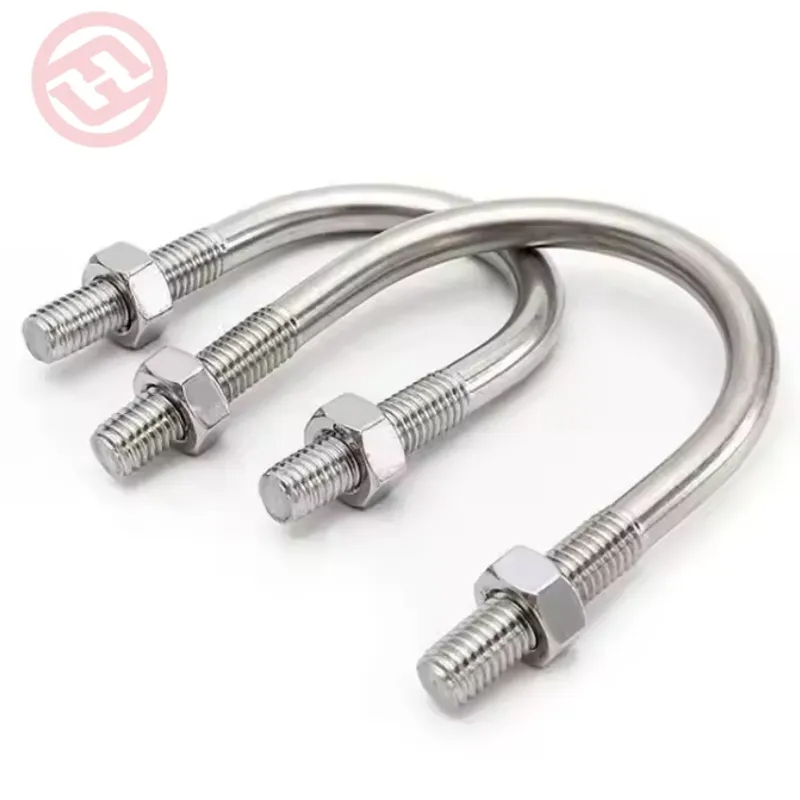
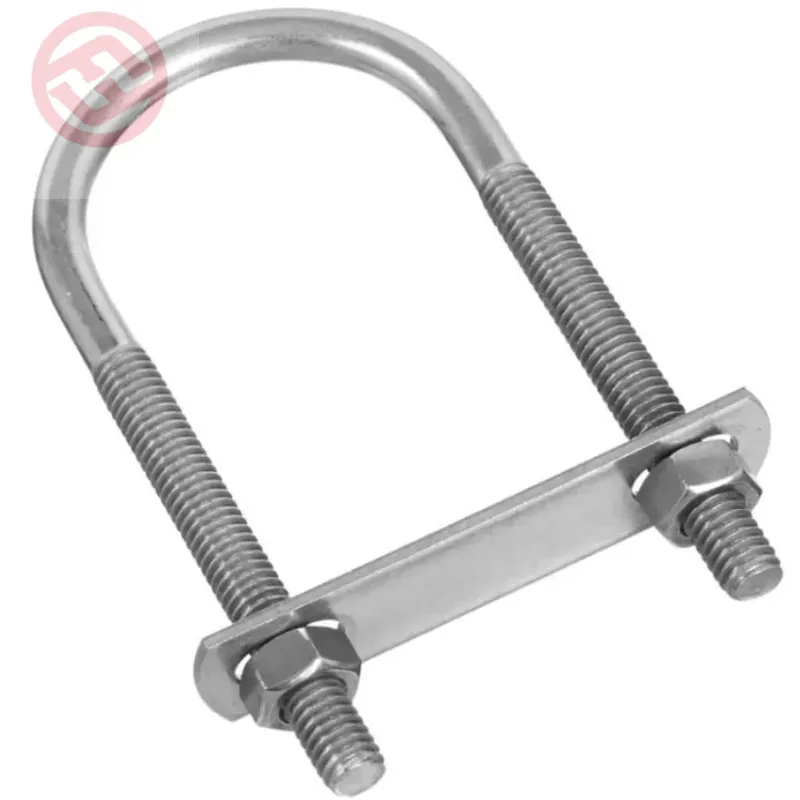
A U-bolt wraps around a pipe and passes through holes in a plate, channel, bracket, or other approved support component. Nuts on the threaded legs secure the assembly. Depending on the engineered detail, the U-bolt may support, guide, anchor, or restrain the pipe. Fluid Tech’s U-Bolt with Nuts product page identifies a U-shaped fastener supplied with four hex nuts or a customized arrangement. The page lists use with non-insulated stationary pipelines, but the final function must be defined by the project design rather than inferred from the component shape.
Which Dimensions Must Buyers Confirm?
A reliable inquiry should distinguish nominal pipe size from the actual pipe outside diameter. It should also define the U-bolt rod or thread size, inside width, inside height or leg length, and the mounting thickness the threaded legs must pass through. These dimensions work together; a U-bolt can fit around the pipe yet still be too short for the support plate and nut engagement.
Why Is Pipe Outside Diameter Important?
Nominal pipe size is a system designation and is not always the same as the measured outside diameter. The U-bolt opening must suit the pipe that will actually be installed. A fit that is too narrow cannot be assembled, while an unnecessarily wide fit can make positioning and restraint more difficult. Buyers should take the outside diameter from the approved pipe data or drawing and match it to the manufacturer’s dimensional table for the selected U-bolt.
How Much Threaded Leg Length Is Needed?
The legs need enough length to pass through the mounting plate, channel, washers if specified, and the complete nut arrangement. The drawing should show the support thickness and required projection after tightening. Ordering extra length without reviewing clearances can interfere with nearby equipment, while insufficient length can prevent full assembly. The RFQ should state the required leg length or provide the mounting detail so the supplier can identify the relevant option.
How Should Material and Finish Be Selected?
Material and finish should match the environment, the pipe material, and the approved support specification. Fluid Tech lists carbon steel and stainless steel options and pre-galvanized, electro-galvanized, and hot-dip galvanized surfaces on the current product page. These choices should not be treated as equally suitable for every indoor, outdoor, humid, coastal, or chemically exposed location. The responsible project team should define corrosion protection and any need to isolate dissimilar metals.
What Hardware Should Be Included With the U-Bolt?
The quantity and position of nuts must match the support detail. A four-nut arrangement may place nuts on both sides of a supporting member, while another design may use a different combination of nuts, washers, plates, or spacers. The pipe hanger product category contains U-bolts and related support components, but compatibility should be confirmed component by component. Buyers should specify thread form, nut quantity, washer or spacer requirements, material, finish, and whether the hardware is included in the quoted set.
How Can Installation Avoid Pipe Damage?
The two nuts should be tightened evenly so the U-bolt seats squarely. Tightening should follow the approved support detail and product instructions rather than an improvised maximum force. Excessive clamping can damage coatings, deform thin-wall pipe, or create unintended restraint. If the pipe needs a saddle, liner, isolation material, or controlled movement, those features must be designed into the assembly. Installers should also verify alignment, thread engagement, support stability, and clearance before the system enters service.
What Should a U-Bolt RFQ Include?
A complete RFQ should identify the pipe standard and outside diameter, U-bolt size, rod or thread size, inside width, leg length, material, finish, nut quantity, washer or spacer requirements, mounting thickness, quantity, application environment, and required inspection documents. Fluid Tech’s pipe clamp and hanger guide provides broader selection context, but project drawings must control the actual load path, spacing, attachment, and support function. Supplying the relevant detail drawing is often more reliable than describing the assembly in a short email.
Why Source U-Bolts From Fluid Tech?
FLUID TECH PIPING SYSTEMS (TIANJIN) CO., LTD. supplies pipeline fluid system products and pipe support accessories, including U-bolts with nuts in multiple material and finish options. The company can help buyers organize dimensions, hardware, quantity, finish, and documentation into a consistent inquiry. This supplier support can reduce quotation ambiguity, while engineering selection and installation approval remain with the qualified parties responsible for the project.
Conclusion
A U-bolt should be specified as a complete support component, not as a rough pipe-size accessory. Confirm the actual pipe outside diameter, inside width, thread size, leg length, mounting thickness, material, finish, nuts, washers or spacers, and required documents. The support function and tightening method must follow the approved design. When the RFQ includes these details, the supplier can identify a more suitable U-bolt assembly and the installer is less likely to face fit, clearance, hardware, or corrosion-protection problems on site.
FAQs
Should a U-Bolt Be Ordered by Nominal Pipe Size Only?
No. The buyer should confirm the actual pipe outside diameter and the manufacturer’s U-bolt dimensions, because nominal pipe size alone may not define the required fit.
Does a U-Bolt with Nuts Always Include Washers?
Not necessarily. Nut, washer, spacer, and plate quantities depend on the product set and support detail. The RFQ should state every required hardware component explicitly.
Can the Same U-Bolt Be Used Indoors and Outdoors?
It should not be assumed. Material and finish must suit the actual exposure, pipe material, and project specification. Outdoor or corrosive environments may require a different approved option.