Selecting the proper fire sprinkler pipe length directly impacts material waste. It also affects cutting labor, connection amounts, site storage, and shipping expenses. Standard 5.8m and 6m pipes fit various projects nicely. Meanwhile, custom lengths often perform better if blueprints feature recurring dimensions. The ideal option is a length that aligns with both the installation design and the transport strategy. This approach ensures the lowest overall delivered and installed expense.
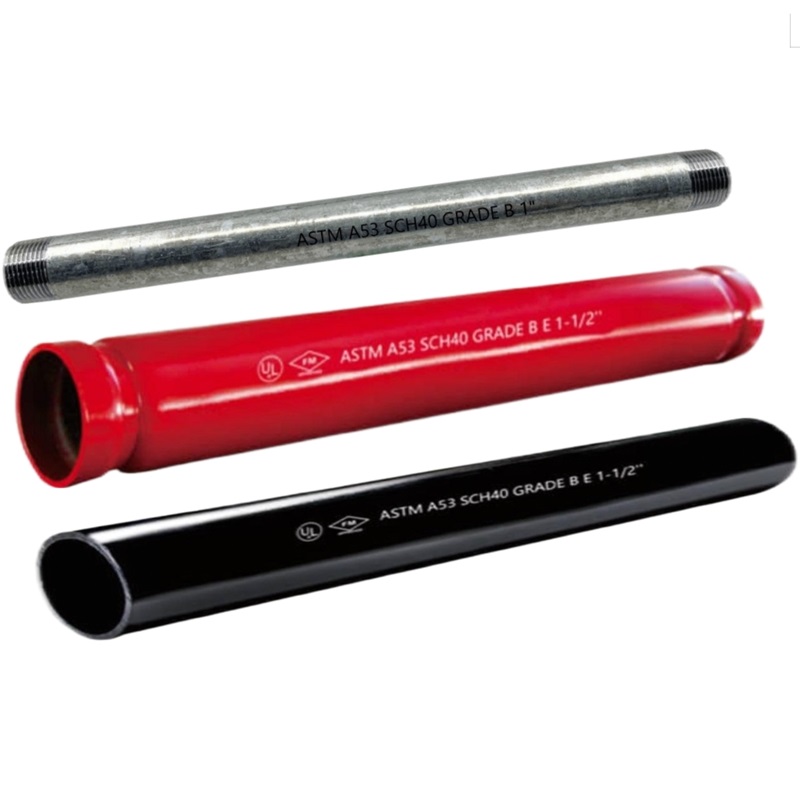
Why Do Fire Pipe Lengths Matter to Project Cost?
The length of a pipe dictates the required number of cuts and joints. It also determines the bundle sizes and handling procedures needed before setup. Fluid Tech provides ERW fire protection pipe in standard 5.8m and 6m sizes. The company supplies customized lengths as well.
How Do 5.8m and 6m Pipes Differ?
A 5.8m pipe serves as a very common export size. It can offer helpful loading flexibility for specific shipping containers, storage facilities, and transport trucks. On the other hand, a 6m pipe delivers an extra 200mm of material. This added length can enhance cutting possibilities if the project measurements rely on metric modules.
However, that extra 200mm only brings real value if workers can actually utilize it. A 6m pipe might not be the most economical choice if the extra piece simply turns into scrap. It is also unhelpful if it offers zero advantage to the overall cutting strategy. Purchasers must carefully evaluate both alternatives against the detailed bill of quantities.
How Does Pipe Length Change Cutting Waste?
The amount of waste relies heavily on how well the delivered stock matches the final sections needed at the job location. A basic cutting diagram will quickly reveal which choice maximizes the usage of each pipe.
What Does a Cutting Example Show?
Imagine a specific job frequently requires 2.8m segments. A single 5.8m pipe will yield two full sections. This leaves roughly 0.2m of material before accounting for cutting loss. A 6m pipe will also generate two sections. However, it leaves behind approximately 0.4m of excess metal.
This outcome shifts significantly if every required segment measures 2.95m. In this scenario, a 6m pipe easily creates two pieces with minimal leftover material. A 5.8m pipe simply cannot meet this demand. Therefore, neither size is universally superior.
Engineers must perform these calculations individually for each distinct diameter and wall thickness. They should also do this for every surface finish and end type. An offcut from a particular specification is often impossible to reuse in other areas of the system.
When Can Custom-Length Fire Pipe Save Money?
Tailored lengths can significantly decrease on-site cutting tasks and leftover scraps if a job features numerous identical sections. They can also streamline the prefabrication process. Furthermore, this approach lowers the total volume of short segments kept at the construction area.
Which Projects Benefit Most?
A customized supply becomes highly practical when design blueprints remain stable. It also works well when material quantities are highly predictable. Large warehouses and industrial facilities often fit this profile. Repeated riser assemblies and prefabricated pipe racks might also feature enough identical segments to warrant ordering a special length.
Conversely, custom lengths seem less appealing when building designs undergo frequent revisions. They are also risky if the final measurements rely heavily on actual field checks. Additionally, these special orders might require minimum purchase amounts and extra manufacturing coordination. They could also demand unique packaging solutions or extended preparation schedules.
Purchasers need to carefully evaluate the initial pipe price alongside expected waste and cutting labor. They must also consider end preparation, site handling efforts, and the total amount of required connections. A marginally higher purchase price might ultimately reduce the entire project expense. This happens because repetitive fabrication tasks are completely eliminated.
Which Pipe Length Can Reduce Freight Cost?
Shipping expenses are largely determined by bundle dimensions and overall pipe weight. Cargo container utilization, regional transport restrictions, and available unloading machinery also play major roles. The basic price per meter fails to reveal the complete logistical burden.
What Should Importers Check?
Importers must verify the actual usable interior space of their chosen shipping container or transport truck. They need to allocate adequate room for protective packaging, lifting equipment access, and secure unloading procedures. Furthermore, local warehouse storage racks and domestic delivery vehicles must properly fit the chosen product length.
Selecting a shorter pipe does not automatically guarantee cheaper freight rates. The financial difference might remain quite small if 5.8m and 6m bundles occupy roughly the same container volume. Custom lengths can successfully minimize cutting waste. However, they might simultaneously result in less efficient packing bundles.
Buyers ought to supply comprehensive details regarding pipe sizes, exact quantities, and required lengths. They should also share the final destination, packing restrictions, and preferred transport method. This transparency allows the factory to review production schedules and loading strategies together.
What Should Buyers Compare Before Selecting a Length?
A truly practical decision must merge the detailed bill of quantities with relevant installation and fabrication details. It should also incorporate essential logistics data. Most importantly, the chosen length must strictly comply with the approved project specifications.
Which Items Belong in the Comparison?
Purchasers should accurately calculate the total purchased meters alongside any usable offcuts and generated scrap. They must also assess cutting duration, end preparation needs, and required coupling quantities. Finally, they need to factor in site storage, physical handling, inland trucking, and international ocean freight.
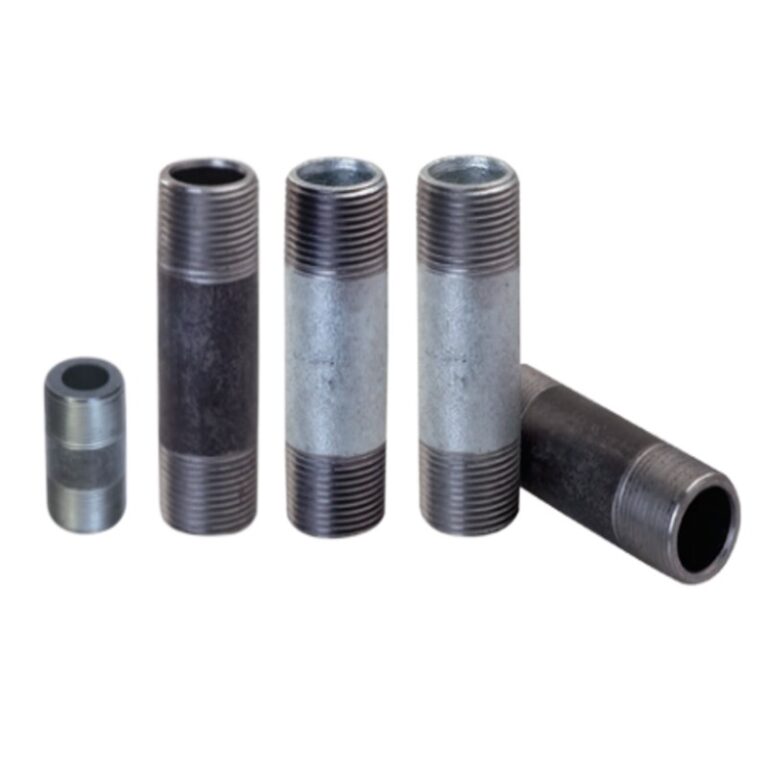
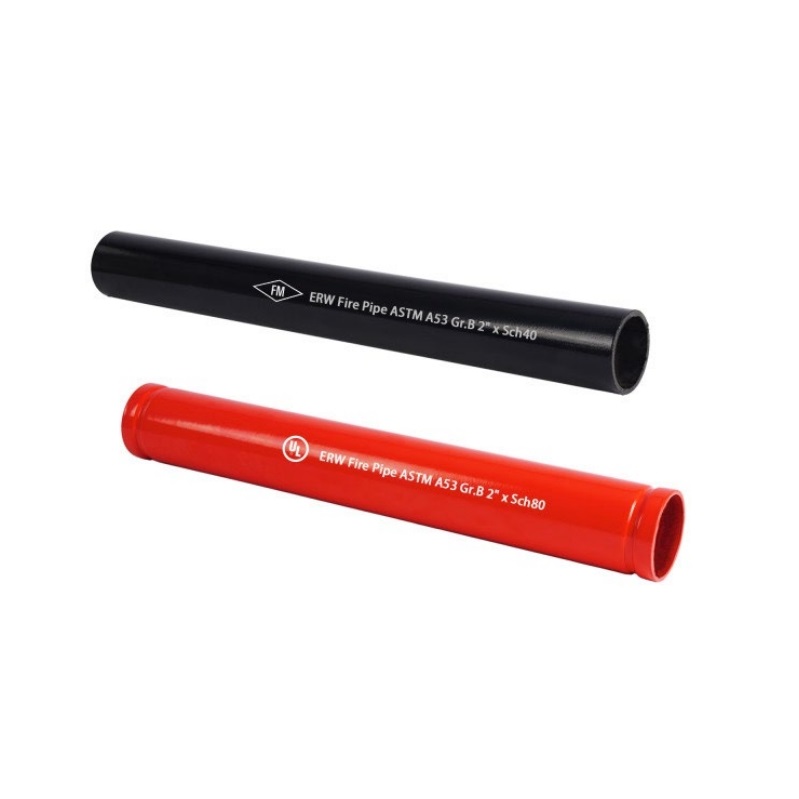
Fluid Tech’s ERW fire pipe is available with plain, beveled, grooved, or threaded ends. These products also come with original, black-painted, galvanized, and red-painted surface finishes. Modifying the ordered length can directly alter how many pipe ends require processing at the workshop or on the actual job site.
Optimizing the length must never replace mandatory checks for the correct manufacturing standard, diameter, and wall thickness. Buyers must also verify the applied coating, formal certification, and intended connection method. Qualified project professionals must thoroughly approve any proposed specification adjustments.
Why Choose FLUID TECH PIPING SYSTEMS (TIANJIN) CO., LTD.?
A truly dependable supplier should actively help buyers coordinate product specifications. They must assist with fabrication requirements and complex logistics. A good partner does much more than simply offer a basic price per ton.
How Can Fluid Tech Support Fire Pipe Orders?
FLUID TECH PIPING SYSTEMS (TIANJIN) CO., LTD. supplies premium fire protection pipes and related system components. Its diverse ERW range features standard 5.8m, 6m, and unique custom-length options. The inventory supports multiple ASTM and BS/EN standards. It also provides several surface finishes and distinct end preparations. The company confirms that its exported fire protection goods hold major certifications. These important approvals include FM, UL, CE, LPCB, and VDS.
Customers can easily submit a comprehensive bill of quantities for review. This document should list the required standard, diameter, wall thickness, surface finish, and end type. It must also include the preferred length, total quantity, and final delivery destination. Providing these details ensures a much more accurate product assessment and shipping quotation.
Conclusion
The most economical fire pipe length ultimately depends on the specific project parameters. A standard 5.8m pipe might perfectly fit a preferred export strategy or basic cutting plan. Conversely, a 6m pipe often works better for projects utilizing repeated metric dimensions. Custom lengths can successfully minimize material waste and on-site fabrication if the job features stable, recurring sections.
Professional contractors and importers should execute a detailed cutting plan and logistics strategy before placing any orders. The right option is simply the length that successfully minimizes the total financial cost. At the same time, this choice must strictly satisfy every approved fire protection requirement.
FAQs
Is 6m Fire Pipe Always More Economical Than 5.8m Pipe?
No, it is not. The additional 200mm proves useful only when the site cutting plan can actually incorporate it. A 6m pipe will probably not reduce the total project cost if that extra metal becomes useless scrap. It is also unhelpful if it generates no clear shipping advantage.
Can Every Fire Sprinkler Project Use Custom-Length Pipe?
No, they cannot. Custom lengths perform best when engineering drawings and material quantities remain completely stable. Projects experiencing frequent design modifications usually face difficulties with tailored sizes. Jobs requiring extensive field adjustments will likely benefit much more from using standard stock lengths.
What Information Is Needed for a Custom-Length Quotation?
Buyers must provide the specific pipe standard, exact diameter, and required wall thickness or schedule. They should also list the desired surface finish, end preparation style, and precise length. Furthermore, the request needs the quantity per size, packing guidelines, final destination, and expected delivery schedule. Supplying a highly detailed bill of quantities always supports a much more accurate commercial quotation.