Picking the right thread is a highly vital detail when you buy malleable iron pipe fittings for overseas jobs. A piece might seem fine in size, coating, and shape. However, if the thread standard fails to fit the piping network, problems will happen. This mismatch often brings leaks, slow setups, extra labor, and higher buying costs. Many purchasers work across North America, Europe, the Middle East, Asia, and various other areas. For these buyers, understanding when to select NPT, BSPT, or DIN-related threaded fittings is very helpful. It lowers project risks and boosts setup speed.
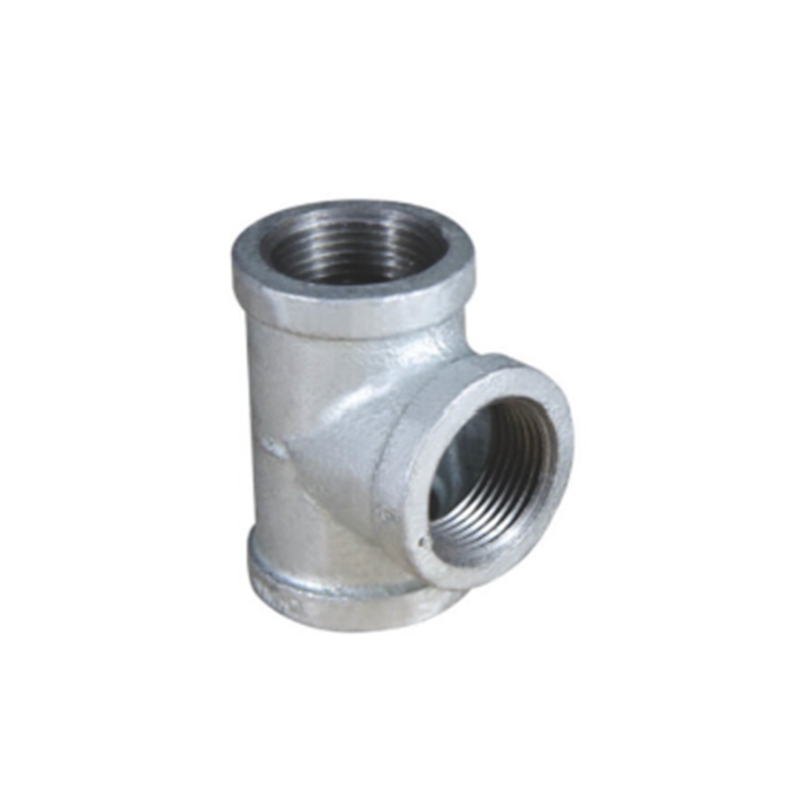
Why Do Thread Standards Matter in Malleable Iron Pipe Fittings?
Thread standards decide how pipe fittings link together, block leaks, and hold up under stress. During worldwide jobs, the exact same nominal size does not always share the exact same thread shape.
Thread Compatibility Affects Sealing
Workers heavily use malleable iron pipe fittings in fire protection, water delivery, gas lines, compressed air, and factory piping layouts. These setups usually rely on threaded connections. Such links form a very solid mechanical joint.
If a purchaser blends mismatched threads, the part might feel tight initially. Still, it will fail to block leaks well. This mistake often causes steady dripping, joint tension, broken threads, or bad pressure test results. Contractors and suppliers must pick the right thread standard before they order. Doing this early is vastly cheaper than repairing messy issues at the job site.
Thread Standards Affect Project Acceptance
Countless jobs demand parts that strictly follow local rules, technical drawings, and cleared material lists. A build in the United States might ask for NPT threaded fittings. Meanwhile, a site in the UK or various Commonwealth areas will likely need BSPT. Furthermore, specific European or factory builds could ask for DIN-related fittings.
Picking the proper thread is more than just a basic technical fact. It deeply impacts final checks, project handovers, and lasting system strength.
What Is NPT Thread and Where Is It Commonly Used?
NPT means National Pipe Thread. Builders frequently use it in the United States, Canada, and regions that follow American pipe system rules.
Key Features of NPT Threads
NPT features a tapered thread design. The thread width shifts a bit along its length. This gradual change helps build a firmer seal when workers join the male and female ends. During most setups, plumbers still need thread sealant or PTFE tape. These extras boost the overall sealing power.
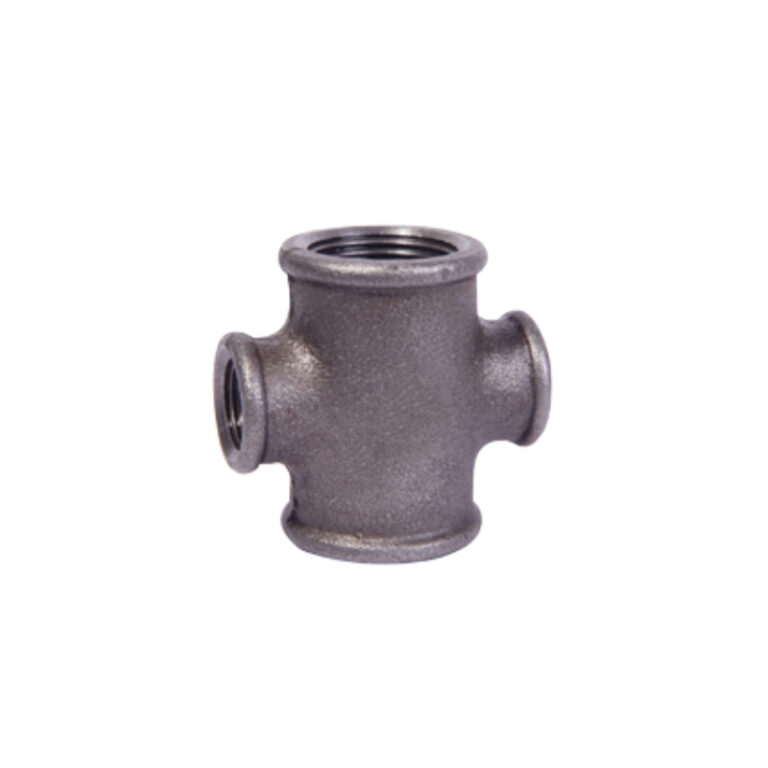
Regarding malleable iron pipe fittings, makers often apply NPT to American standard items. These include elbows, tees, couplings, unions, plugs, and reducing fittings.
When Should Buyers Choose NPT Fittings?
Purchasers need to pick NPT malleable iron pipe fittings under specific conditions. They should do this if the site plans, local trade, or linked pipe parts demand American thread standards.
NPT fittings remain a very popular pick for North American fire protection networks. They also fit well in factory piping, mechanical setups, and repair jobs. Moreover, they work nicely for suppliers who serve areas that favor American standard goods.
What Is BSPT Thread and Where Is It Commonly Used?
BSPT means British Standard Pipe Taper. Plumbers broadly use it in the UK, Europe, Asia, the Middle East, Australia, and numerous global areas.
Key Features of BSPT Threads
Similar to NPT, BSPT operates as a tapered thread. However, its thread angle and shape differ greatly from NPT. Therefore, users must never swap BSPT and NPT fittings. This rule applies even if their nominal size looks exactly alike.
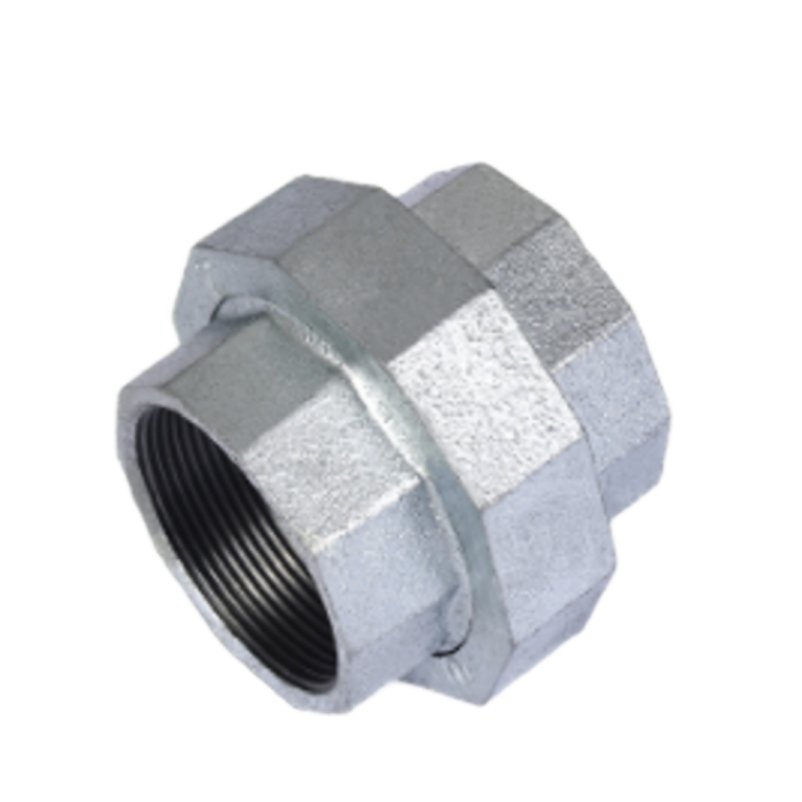
Makers frequently put BSPT threaded malleable iron fittings into BS/EN standard product ranges. These groups feature elbows, tees, sockets, reducing sockets, caps, plugs, and unions.
When Should Buyers Choose BSPT Fittings?
BSPT fittings typically serve as the correct choice for specific builds. They fit well when the job tracks British, European, or global pipe rules. These items also appear often in fire protection systems and plumbing layouts. You will spot them in compressed air tubes and basic factory setups across many overseas markets.
For importers and bulk sellers, BSPT fittings represent a highly crucial product group. They cover a massive range of regions and local fitting styles.
What Do DIN Threads Mean for Malleable Iron Pipe Fittings?
DIN points to German industrial standards. Within the realm of malleable iron pipe fittings, buyers frequently use DIN-related products for specific areas. These regions strictly follow German or European-style engineering demands.
DIN Products May Follow Specific Shape and Dimensional Requirements
DIN malleable iron fittings can look different from American or BS/EN fittings. They might vary in basic product shape, edge design, sizes, naming, and thread rules. Due to this fact, buyers must never pick DIN products just by reading the fitting name.
A DIN 90° elbow, DIN tee, or DIN reducing socket might have to meet highly exact project details. This careful matching proves incredibly vital for suppliers who feed European markets. It also matters deeply for builders handling factory systems with rigid technical rules.
When Should Buyers Choose DIN Malleable Iron Fittings?
DIN malleable iron pipe fittings work perfectly under certain conditions. They fit when technical plans, bid papers, or local clients ask for DIN-standard products. These parts also help suppliers who want to offer a full European-standard product catalog.
Before placing an order, buyers must verify several details. They need to check the exact figure number, size range, and thread type. They must also confirm the surface coating, pressure rating, and packing needs.
How Can Buyers Choose the Right Thread Standard for Global Projects?
The most secure method to pick threaded malleable iron pipe fittings involves careful checking. Buyers must compare the specific project needs against the local market rules and the attached pipe parts.
Check the Project Drawing First
Site plans and technical papers must always take top priority. These sheets might list NPT, BSPT, DIN, BS EN, ASME, or a totally different standard. If the blueprint looks confusing, buyers must talk to the site engineer or the final user. They should do this long before they confirm any order.
Confirm the Target Market
Various regions heavily prefer distinct thread standards. North America normally favors NPT. Meanwhile, numerous European, Middle Eastern, Asian, and Commonwealth areas frequently utilize BSPT. DIN fittings might become necessary for German-standard or European-style factory builds.
Match the Whole System
A fitting absolutely must match the pipe, valve, nipple, or socket. It also needs to fit the sprinkler part or machine link used inside that exact same network. Blending different standards will easily spark setup troubles. This happens even if the printed size tag looks perfectly right.
Request Samples Before Bulk Orders
When facing fresh projects or untouched markets, testing samples remains a very wise move. Purchasers can easily check thread fit, surface coating, and item markings. They can also review the packing style and joint strength before they drop a massive order.
What Mistakes Should Buyers Avoid When Ordering Threaded Fittings?
Thread mistakes happen quite often during overseas buying. However, teams can dodge many of these blunders. They just need clearer talks before factory work or shipping begins.
Do Not Treat NPT and BSPT as the Same
NPT and BSPT both function as tapered threads. Yet, they are absolutely not the same thing. Their thread angle and side profile differ greatly. Putting one in place of the other will likely cause weak seals or broken threads.
Do Not Rely Only on Product Photos
Malleable iron pipe fittings frequently look alike in photos. A 90° elbow with NPT, BSPT, or DIN-related details might seem almost identical on a screen. Buyers must always double-check the true standard and thread type. They also need to verify the size range, coating, and intended use.
Do Not Ignore Local Approval Requirements
Certain builds demand very specific standards, official papers, or test documents. For fire protection and heavy engineering jobs, final approval relies on strict matching. The fittings must perfectly align with the requested standard and the given paperwork.
Why Choose FLUID TECH as a Malleable Iron Pipe Fittings Supplier?
FLUID TECH PIPING SYSTEMS (TIANJIN) CO.,LTD provides threaded malleable iron pipe fittings for fire protection and fluid networks. Its main product catalog covers BS/EN standard, American standard, and DIN standard malleable iron pipe fittings. This wide variety greatly helps buyers gather goods for diverse local markets and unique project needs.
Product Range for Global Buyers
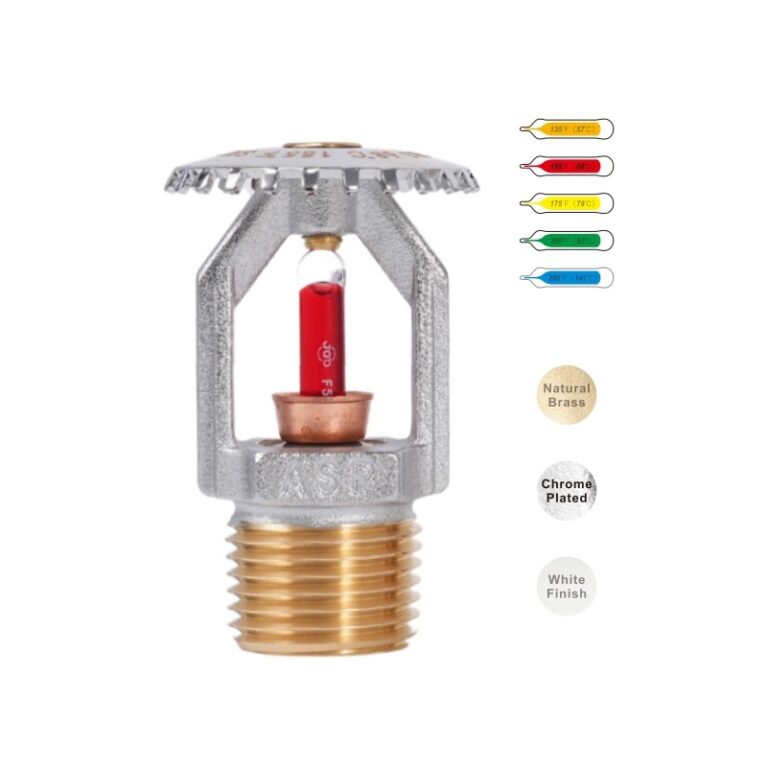
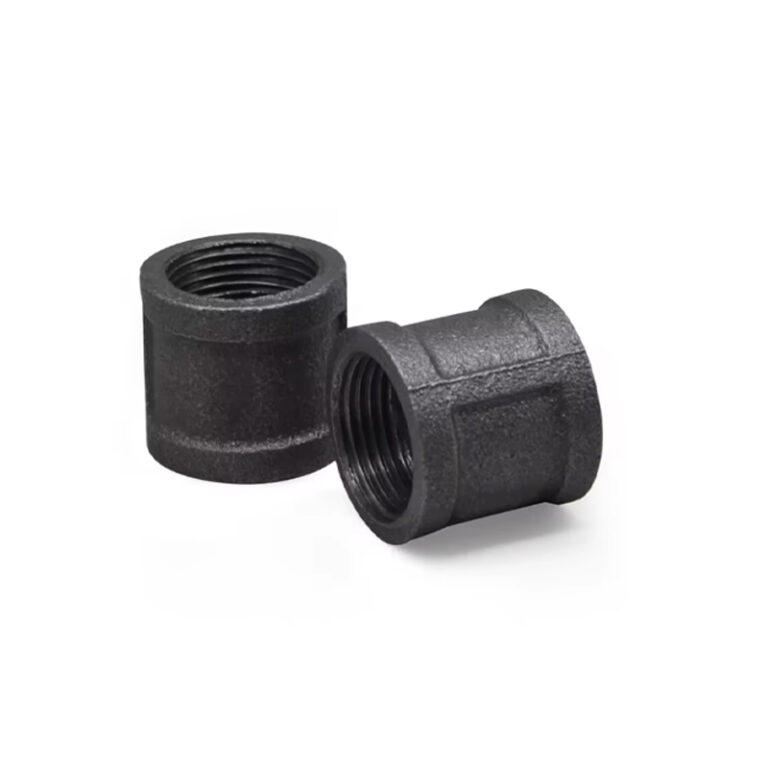
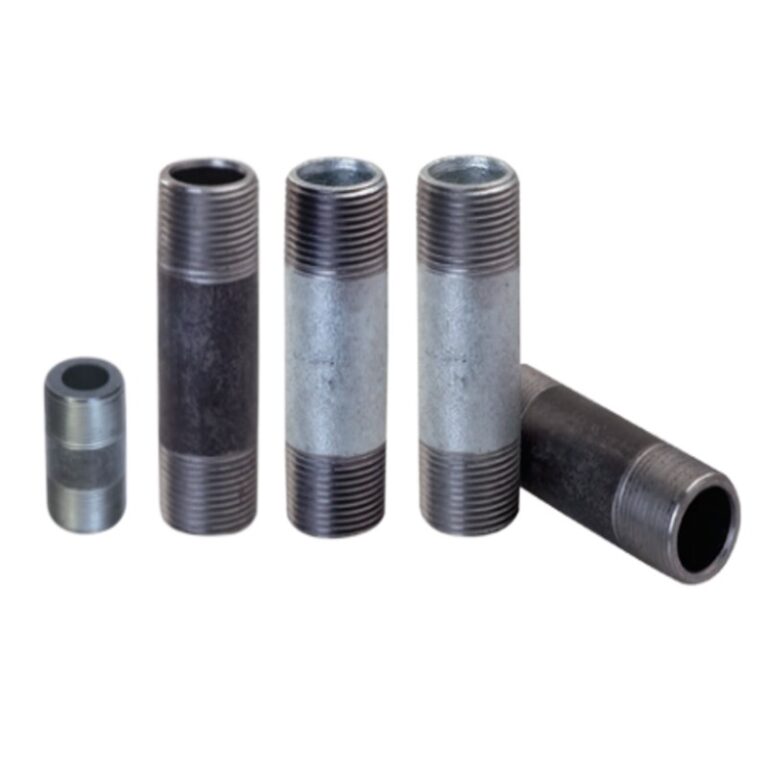
The firm provides many kinds of malleable iron threaded fittings. These include items like tees, elbows, sockets, reducing sockets, and similar connecting parts. Its website also displays wider fire protection product groups. Visitors can find grooved fittings, fire protection valves, pipes, and pipe hangers. The site also lists sprinklers, flexible hoses, and various other handy add-ons.
Support for Project-Based Sourcing
A supplier with multiple standard choices greatly lowers buying stress. This benefits importers, bulk sellers, builders, and project buyers alike. FLUID TECH PIPING SYSTEMS (TIANJIN) CO.,LTD strongly supports purchasers who must compare thread standards. The team helps clients pick the proper fittings and build accurate item lists for different global areas.
Conclusion
Deciding between NPT, BSPT, and DIN threaded malleable iron pipe fittings relies on several factors. These include the job location, technical rules, linked parts, and strict testing needs. NPT commonly appears in American-standard setups. Meanwhile, BSPT sees heavy use across numerous overseas markets. Lastly, DIN fittings work wonderfully for builds that demand German or European-style details.
For worldwide buyers, the smartest path involves checking the site plan first. They must verify the local market rules and match the entire piping network. Asking for test samples before a massive buy is also vital. Picking the exact right thread standard early on prevents nasty leaks. It also stops slow setups and highly expensive repair tasks.
FLUID TECH PIPING SYSTEMS (TIANJIN) CO.,LTD delivers BS/EN, American, and DIN standard malleable iron pipe fittings. This broad selection makes the firm a highly useful supplier choice. It perfectly serves buyers who handle complex jobs across many different global regions.
FAQs
What is the main difference between NPT and BSPT malleable iron pipe fittings?
NPT and BSPT both act as tapered thread systems. However, they feature totally different thread shapes. Plumbers must never use them as direct swaps. Purchasers should always select the specific thread type asked for by the site plan or the local trade rules.
Can DIN malleable iron fittings be used in international projects?
Yes, DIN malleable iron fittings work great when the job demands German or European-style rules. Buyers must verify the exact fitting figure and physical sizes. They also need to check the thread type, surface coating, and pressure needs before they buy.
How can I avoid ordering the wrong threaded pipe fittings?
You must check the project rules and confirm the local market standard. Also, match all the linked parts and ask for test pieces before placing huge orders. Open talks with your supplier will easily stop thread mix-ups and messy setup issues.