Groove accuracy remains a vital factor in the overall performance of ductile iron grooved pipe fittings. Within fire protection, water supply, HVAC, and industrial piping systems, a secure grooved joint relies heavily on the exact fit among the pipe groove, the gasket, the coupling housing, and the bolt assembly. If groove dimensions are wrong, the joint might leak. It could also shift under pressure. Furthermore, it might damage the gasket or fail entirely during testing. For global contractors, distributors, and project buyers, picking grooved fittings that strictly follow AWWA C606 requirements greatly improves installation quality. This choice also cuts down on expensive site problems.
What Is AWWA C606 and Why Does It Matter?
AWWA C606 serves as a highly recognized standard for grooved and shouldered joints. It details grooved and shouldered joints for ductile iron pipe. It also covers metallic pressure pipe of iron pipe size, fittings, and associated components. These are commonly utilized in water, wastewater, reclaimed water, and various other services.
AWWA C606 Defines More Than Groove Shape
AWWA C606 goes beyond just the visible groove on the pipe. The standard details essential requirements. These include materials, dimensions, and tolerances. It also involves inspection, design proof procedures, markings, and production testing.
For buyers, this fact means AWWA C606 acts as a solid technical reference. It helps when verifying if specific grooved fittings and grooved pipe ends are appropriate for demanding pressure piping projects.
AWWA C606 Supports Interchangeability and Safer Installation
Grooved piping systems frequently mix products from varying production batches, suppliers, or job sites. Precise groove dimensions ensure the coupling engages perfectly with both the pipe groove and the fitting groove.
If the groove is excessively shallow, too deep, too wide, or too narrow, the coupling might not seat correctly. The same issue occurs if it is positioned at an incorrect distance from the pipe end. Even if the joint looks tight, the actual sealing performance could be quite unstable.
Which Groove Dimensions Affect Joint Performance?
A grooved pipe joint functions well because multiple dimensions align perfectly with one another. Prior to installation, buyers and contractors must examine the complete groove profile. They should not merely check the basic pipe diameter.
Groove Diameter
Groove diameter stands out as a crucial measurement. It directly impacts how well the coupling keys lock into the pipe or fitting groove.
If the groove diameter is excessively large, the coupling might fail to lock tightly. If it happens to be too small, the coupling could be tough to install. It might also cause unwanted stress during tightening. Both situations can severely harm joint reliability.
Groove Width and Groove Depth
Groove width provides the necessary room for the coupling key to sit correctly. Meanwhile, groove depth influences the mechanical engagement and the overall joint stability.
A groove that is extremely narrow can block proper coupling assembly. A groove that is too wide might lessen the needed support. If a groove is too deep, it could weaken the pipe end or the fitting connection area. Conversely, a groove that is too shallow might weaken the coupling’s grip.
Gasket Seat and Pipe End Condition
The gasket seat area needs to be totally smooth, clean, and accurately sized. Burrs, dents, weld beads, rust, coating buildup, or sharp edges can easily harm the gasket. They can also stop uniform sealing.
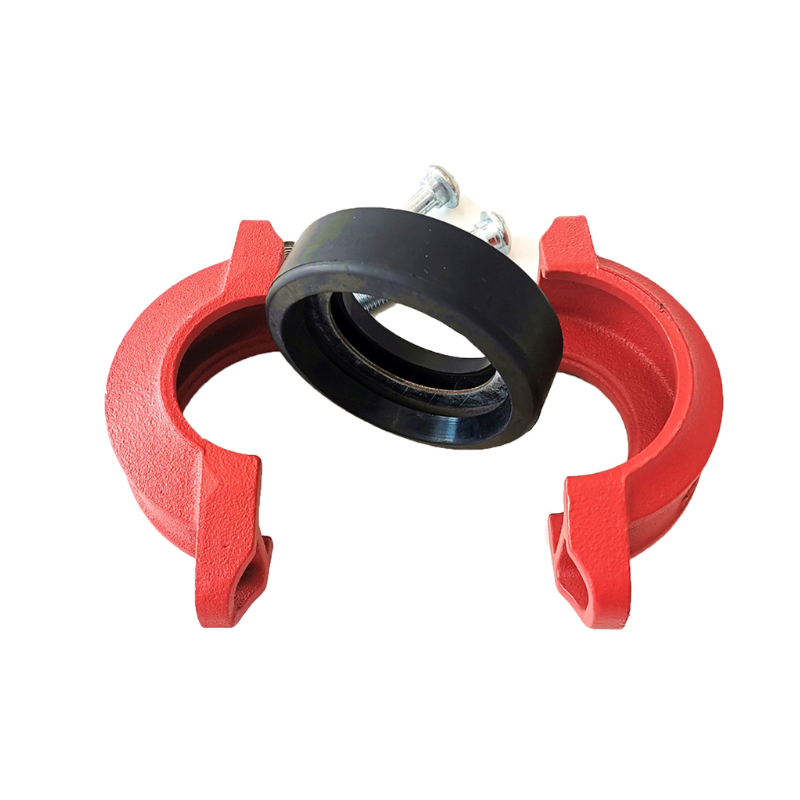
In grooved pipe joints, the gasket forms the vital seal. At the same time, the coupling housing supplies the mechanical restraint. Both elements require a clean and exact surface to operate flawlessly.
Why Do Incorrect Groove Dimensions Cause Leaks?
Leaks typically occur when the gasket, coupling, and groove fail to unite as a complete joint system. This specific problem might not show up during dry assembly. However, it frequently appears during pressure testing.
Poor Coupling Engagement
When groove dimensions lack accuracy, the coupling housing might not engage evenly around the pipe. This flaw can cause an uneven load. It can also lead to joint movement or tiny gaps between the sealing surfaces.
In fire protection and water supply systems, these specific problems can result in slow leakage. They may also cause pressure loss or lead to failed hydrostatic testing.
Gasket Damage or Misalignment
A damaged or incorrectly placed gasket is another frequent cause of leakage. Flawed groove geometry can force the gasket out of its proper position. It might also compress it unevenly.
If the pipe end features sharp edges, dirt, coating residue, or dimensional errors, the gasket may tear. It might also fail to seal completely. This reason makes groove inspection and thorough pipe end preparation vital before any installation.
Uneven Bolt Tightening
Even with flawless groove dimensions, sloppy installation can still trigger leakage. If bolts are tightened unevenly, the coupling housing might not close perfectly.
Contractors must carefully follow the specific installation instructions for the chosen coupling model. They should tighten the bolts evenly. A close visual inspection after installation is also highly recommended.
How Should Buyers Check Groove Accuracy Before Ordering?
For project buyers, strict quality control should commence long before bulk purchasing. The chosen supplier must be able to offer proper technical support, clear product data, and solid inspection control.
Confirm the Standard in the Project Documents
The initial step involves checking the project specification. Certain projects might demand AWWA C606. Others could reference different grooved system standards or specific manufacturer requirements.
Buyers must verify the pipe size, fitting type, pressure rating, coating, and gasket material. They should also confirm the coupling type before finalizing any order.
Request Product Drawings and Technical Data
Product drawings allow buyers to verify vital dimensions before shipment. These documents also let contractors compare the fitting with the pipe, valve, flange adapter, mechanical tee, or coupling utilized in the identical system.
For grooved fittings, the drawings must clearly display the connection type and groove details. They should also show center-to-end dimensions, material, surface treatment, and the specific pressure class.
Inspect Samples Before Bulk Orders
Sample inspection proves extremely useful for new suppliers, fresh project specifications, or unfamiliar markets. Buyers can evaluate the groove finish, coating quality, marking, packaging, and coupling fit prior to confirming mass production.
A thorough sample test can easily prevent massive problems after the products reach the job site.
What Installation Checks Help Prevent Grooved Joint Leakage?
Even premium grooved pipe fittings demand precise installation. A totally leak-free joint relies on both manufacturing accuracy and excellent site workmanship.
Check Pipe Ends Before Assembly
Pipe ends must be perfectly round, clean, and clear of major dents or surface damage. The groove area must align with the required profile. Also, the gasket seat needs to be smooth.
Installers must clear away dirt, rust particles, cutting debris, or any coating buildup before beginning the assembly.
Match the Coupling, Gasket, and Fitting
Not all grooved components function the same way. Rigid couplings, flexible couplings, reducing couplings, mechanical tees, flanges, and adapters might possess distinct installation needs.
The gasket material must match the system medium and the expected working temperature. For instance, fire protection and water systems frequently utilize different gasket selections compared to oil or chemical-related lines.
Perform Pressure Testing Carefully
Pressure testing confirms the joint integrity before the system actually enters service. If leakage occurs, installers should not merely tighten the bolts blindly. Instead, they must examine the groove dimensions, gasket position, and pipe end condition. They should also check the coupling alignment and the bolt tightening sequence.
Why Choose FLUID TECH as a Reliable Grooved Pipe Fittings Supplier?
FLUID TECH PIPING SYSTEMS (TIANJIN) CO.,LTD provides excellent ductile iron grooved pipe fittings for fire sprinkler and pipeline systems. Its broad product category features grooved pipe fittings, grooved couplings, grooved mechanical tees and crosses, and grooved flanges. This variety gives buyers multiple solid options for project-based sourcing.
Product Support for Different Piping Projects
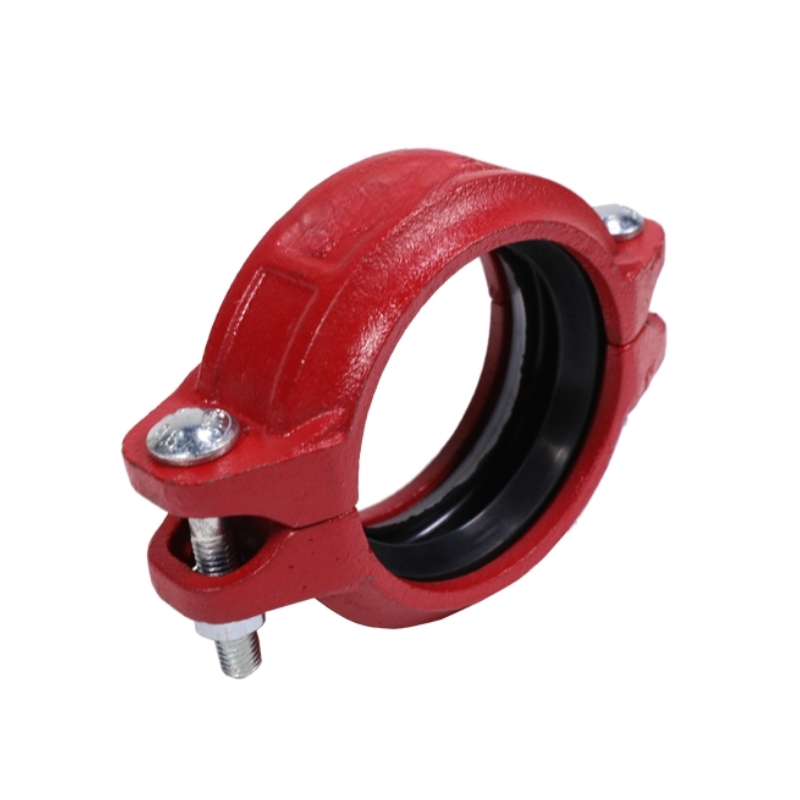
FLUID TECH offers reliable grooved products for fire protection, water supply, HVAC, and industrial piping applications. One specific listed grooved rigid coupling product is crafted from ductile iron. It is marked as ASTM A536 AWWA C606. It features a grooved connection and comes with red painted or epoxy coated surface options. It is widely used in firefighting, water supply, HVAC, and industrial fluid pipelines.
For distributors, contractors, and engineering buyers, partnering with a supplier that delivers grooved fittings, couplings, mechanical outlets, and flanges can greatly simplify product matching and overall project purchasing.
Conclusion
AWWA C606 groove dimensions matter immensely because the groove forms the core foundation of a secure grooved pipe joint. Proper groove diameter, width, and depth are essential. Good gasket seat condition and careful pipe end preparation help the coupling engage perfectly and ensure the gasket seals evenly.
For completely leak-free pipe joints, buyers must confirm the project standard. They should request detailed technical drawings and inspect samples. They must also partner with suppliers that rigorously control product quality. Installers should always check the pipe ends, gasket position, coupling alignment, and bolt tightening prior to any pressure testing.
FLUID TECH PIPING SYSTEMS (TIANJIN) CO.,LTD supplies ductile iron grooved pipe fittings, couplings, mechanical tees, crosses, and grooved flanges for global project buyers. This makes it a highly practical supplier choice for fire protection and diverse piping system applications.
FAQs
What does AWWA C606 mean for grooved pipe fittings?
AWWA C606 stands as a key standard for grooved and shouldered joints used with ductile iron pipe, metallic pressure pipe, fittings, and related components. It helps outline the vital requirements for dimensions, tolerances, inspection, markings, and testing.
Why do grooved pipe joints leak after installation?
Grooved pipe joints might leak due to wrong groove dimensions, damaged gasket seats, or poor pipe end preparation. Gasket misalignment, uneven bolt tightening, or incompatible components can also cause issues. Checking both the product dimensions and the installation quality remains essential.
How can buyers reduce leakage risk when ordering grooved fittings?
Buyers must confirm the required standard and request drawings along with technical data. They should inspect samples, verify the coating and groove quality, and pair fittings with the correct couplings and gaskets. Clear and direct communication with the supplier before bulk orders helps stop major site issues.