Rigid and flexible grooved couplings are both common in fire protection piping systems. However, they serve distinct connection purposes. For contractors, distributors, facility owners, and maintenance crews, picking the correct coupling greatly impacts pipe alignment. It also affects system stability, vibration control, and installation speed. Furthermore, the right choice influences inspection results and long-term safety. A rigid grooved coupling forms a solid pipe joint with minimal movement. Meanwhile, a flexible grooved coupling permits controlled movement, deflection, and thermal expansion. In fire sprinkler and standpipe systems, the ideal option relies on pipe layout and building conditions. Seismic requirements, pump vibration, temperature shifts, and project specifications play a role as well.
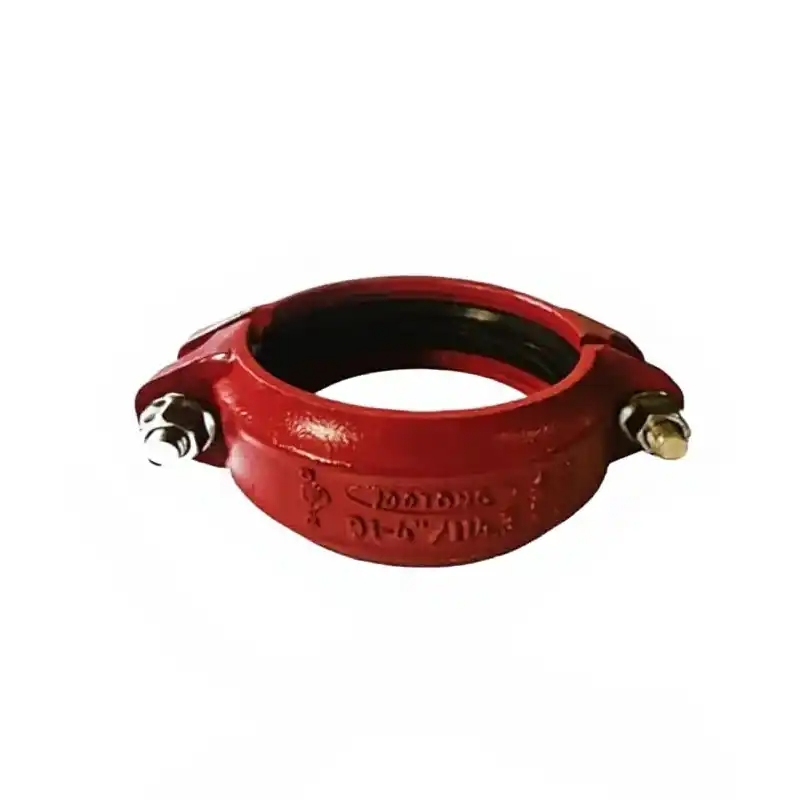
What Are Grooved Couplings in Fire Protection Systems?
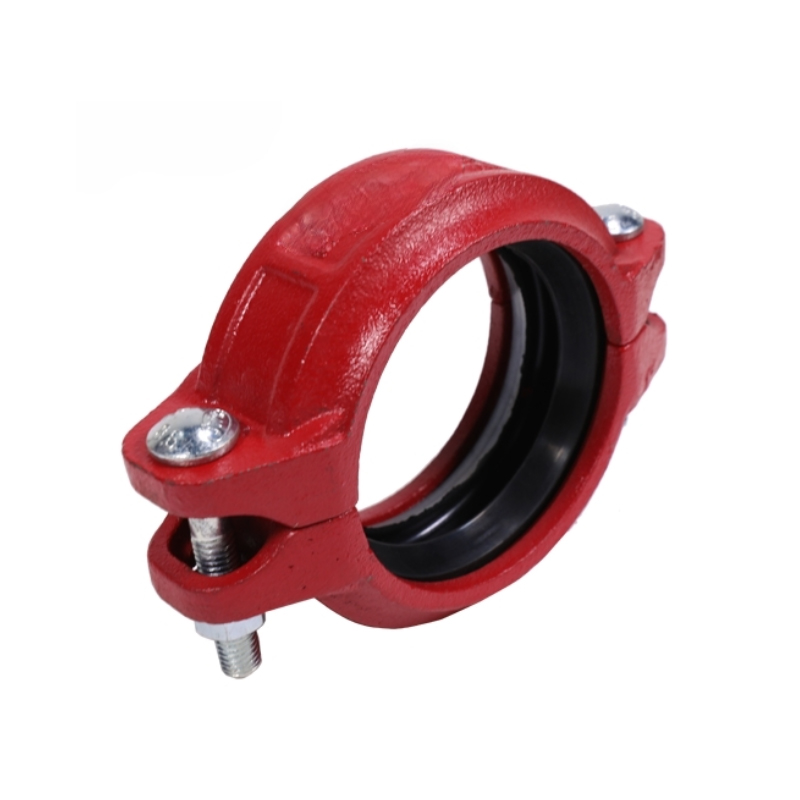
Grooved couplings are mechanical pipe connectors. They join grooved pipe ends together. These units typically feature two housing segments, a gasket, bolts, and nuts. The housing fits into the pipe grooves. At the same time, the gasket forms the seal.
How Do Grooved Couplings Work?
First, a grooved pipe end is cut to a specific groove dimension. Next, the gasket wraps around the pipe ends. Then, the coupling housing goes over the gasket. When you tighten the bolts, the housing clamps into the grooves. This action squeezes the gasket to create a tight joint.
This technique is highly favored in fire protection. It eliminates on-site welding and cuts down installation time. Furthermore, it simplifies future maintenance. Compared to welded or flanged joints, grooved systems are generally quicker to set up and simpler to inspect.
Why Are They Used in Fire Sprinkler Systems?
Fire sprinkler systems demand secure pipe joints, solid sealing, and smooth installation. Grooved couplings meet these demands. They allow rapid pipe connections and lower hot-work hazards. Installers frequently utilize them in sprinkler mains, branch lines, and standpipes. You will also find them in pump rooms, mechanical rooms, and retrofit jobs.
For massive commercial buildings, warehouses, and factories, grooved couplings are highly beneficial. They also suit hospitals and public facilities. These connectors allow contractors to cut labor hours. Meanwhile, they ensure consistent system performance.
What Is a Rigid Grooved Coupling?
A rigid grooved coupling is built to secure two pipe ends in a steady spot. It restricts angular and linear shifting. Consequently, the joint behaves much like a welded, flanged, or threaded connection.
How Does a Rigid Coupling Perform?
Rigid couplings frequently feature distinct housing shapes or gripping elements. These features clamp the pipe ends securely. Once correctly fitted, they preserve pipe alignment and curb movement at the joint. Therefore, they are ideal for straight pipe stretches where steadiness is crucial.
In fire protection setups, builders often pick rigid couplings for vertical risers and straight main lines. They also use them in valve rooms and pump discharge zones. Basically, they work best wherever pipe shifting must be stopped.
What Are the Advantages of Rigid Couplings?
Rigid couplings offer excellent alignment control. They assist in keeping sprinkler pipelines straight and firm. This trait is highly beneficial in zones where pipe supports and system layout demand a set position.
They also ease the design process in areas where engineers want to block joint movement. In such situations, other parts or support designs handle expansion, vibration, or deflection.
When Are Rigid Couplings a Better Choice?
Rigid couplings are generally the top pick when the piping network requires fixed alignment. They provide robust joint stability and barely any movement. They fit well in straight pipe links, riser systems, and mechanical equipment rooms. Furthermore, they are great for spots where pipe shifting might disrupt valves, hangers, gauges, or sprinkler head alignment.
For projects where technical plans specifically demand rigid couplings, purchasers must stick to the guidelines. They should never swap them with flexible couplings without getting permission first.
What Is a Flexible Grooved Coupling?
A flexible grooved coupling permits regulated movement at the joint. It manages minor angular deflection, linear shifting, and vibration. It also handles thermal expansion or contraction.
How Does a Flexible Coupling Perform?
Flexible couplings feature a structure that provides space for controlled shifting. This movement happens between the housing key and the pipe groove. The movement has limits, but it grants the piping network a level of adaptability that rigid couplings lack.
In fire protection setups, this feature is highly practical where pipe shifting is anticipated. Such areas include long pipe stretches, seismic zones, and pump sections. It also helps in building parts subjected to temperature variations.
What Are the Advantages of Flexible Couplings?
Flexible couplings assist in soaking up vibration from pumps and heavy machinery. They also lower stress triggered by thermal expansion or contraction. Additionally, they help with slight misalignment during the setup process.
For retrofit tasks, flexible couplings assist contractors in linking pipe segments more smoothly. This is especially true when the old pipe alignment is slightly off. They also minimize the necessity for certain complex alignment fixes during setup.
When Are Flexible Couplings a Better Choice?
Flexible couplings are frequently superior for systems requiring movement regulation. Installers regularly put them near pumps and along lengthy horizontal stretches. They also work well in vibrating zones and in layouts prone to thermal shifting.
Engineers might also evaluate them for seismic applications. However, seismic planning must adhere to project engineering rules and local codes. It also requires approved product data. Purchasers must not presume that every flexible coupling naturally fulfills seismic criteria.
Which Coupling Is Better for Fire Protection Systems?
There is no universal answer for all fire protection tasks. Both rigid and flexible grooved couplings hold significant worth. However, installers must place them in the correct spots.
Choose Rigid Couplings for Stability
If the objective is to keep a steady pipe location, rigid couplings are generally the superior choice. They manage alignment and decrease shifting at the joint. This steadiness is crucial for risers and straight main lines. It also matters in zones where pipe movement might strain valves or linked equipment.
Rigid couplings are also highly practical where the piping arrangement must stay neat, straight, and stable. This predictability aids in future inspections and ongoing upkeep.
Choose Flexible Couplings for Movement
If the piping network must cope with vibration, deflection, or thermal shifting, flexible couplings are usually more appropriate. They lower stress at the joints. Consequently, they make the system more flexible to actual building environments.
Flexible couplings prove particularly valuable in spaces around pumps and mechanical gear. They also fit well in expansion zones and specific retrofit jobs.
Follow the Project Specification
The ultimate choice must always adhere to project blueprints and local fire codes. It must also follow engineering calculations and product certifications. Fire protection systems are vital for safety. Therefore, buyers must never select items based solely on cost or current stock.
If a job demands UL/FM approved couplings, buyers must verify this. They should also check for the correct pressure rating, ductile iron material, EPDM gasket, or a specific groove standard before buying.
What Should Buyers Check Before Ordering Grooved Couplings?
Product selection involves more than just deciding between rigid or flexible types. A proper purchase relies on size, pressure capacity, and material. It also depends on the gasket type, certification, and installation environment.
Check Pipe Size and Groove Standard
Buyers must verify the pipe outside diameter, nominal size, and groove measurements. Grooved systems have to align with the pipe preparation standard. If the groove is incorrect, the coupling might fail to seal properly. It could also fail safety inspections.
Standard project details include DN size, inch size, and pipe schedule. They also cover groove type and relevant standards like AWWA C606.
Check Pressure Rating and Temperature Range
Fire protection setups can feature distinct working pressures and testing pressures. Buyers must pick couplings with appropriate pressure ratings for the specific system. Additionally, the temperature range must align with the operating environment.
Buyers must confirm the pressure rating via the supplier’s technical documents. They should never guess it based on how the product looks.
Check Gasket Material
EPDM gaskets are extremely common in water and fire protection tasks. Other gasket materials might be necessary for unique fluids or extreme temperatures. Selecting the incorrect gasket can cause leaks, swelling, or cracking. It might also lead to premature failure.
Prior to placing an order, buyers must verify the fluid type, temperature, and project standards with the vendor.
Check Certification and Quality Control
For fire protection jobs, certification often serves as a primary buying factor. Buyers might require UL, FM, or different approvals based on regional market demands. Product checks should also assess housing quality, bolt strength, and coating. Furthermore, they must examine gasket condition, dimensions, and packaging.
Why Choose FLUID TECH PIPING SYSTEMS (TIANJIN) CO.,LTD?
FLUID TECH PIPING SYSTEMS (TIANJIN) CO.,LTD stands as a dependable vendor of grooved couplings and fire protection piping goods. The enterprise offers various ductile iron grooved coupling choices. These include rigid couplings, flexible couplings, quick couplings, and reducing couplings. They also supply associated grooved fittings.
A Practical Product Range for Fire Protection Projects
FLUID TECH delivers grooved couplings for fire sprinkler setups, water supply lines, and HVAC systems. They also serve industrial fluid pipelines and construction piping. Furthermore, their product lineup features grooved pipe fittings, mechanical tees, and crosses. They provide grooved flanges, valves, fire protection pipes, pipe hangers, and sprinkler accessories.
This extensive selection assists contractors, importers, and distributors. It allows them to obtain numerous fire protection parts from a single vendor.
Support for Project Buyers
For B2B clients, standard alignment, consistent quality, and proper packaging are crucial. Prompt delivery and clear technical communication also matter greatly. FLUID TECH assists buyers with product selection and specification verification. They supply dependable components for fire protection and piping tasks.
Conclusion
Both rigid and flexible grooved couplings play vital roles in fire protection systems. Rigid couplings excel when the setup requires fixed pipe alignment, solid joints, and minimal shifting. Conversely, flexible couplings are superior when the system demands controlled movement, vibration dampening, or thermal expansion space. Buyers must evaluate pipe layout, pressure rating, and temperature. They should also consider gasket material, certification, installation settings, and project guidelines prior to deciding. By partnering with a trustworthy vendor like FLUID TECH PIPING SYSTEMS (TIANJIN) CO.,LTD, contractors and distributors can pick the appropriate grooved couplings. This ensures safer, quicker, and more dependable fire protection piping installations.
FAQs
1. Are rigid couplings stronger than flexible couplings?
Rigid couplings aim to form a solid joint with minimal movement. Meanwhile, flexible couplings permit regulated shifting. The superior choice relies on the system design, not merely on raw strength. Buyers must verify the pressure rating, standard, and specific project demands.
2. Can flexible grooved couplings be used in fire sprinkler systems?
Yes, flexible grooved couplings function well in fire sprinkler systems. However, they must fulfill the necessary standards, pressure ratings, certifications, and engineering plans. They prove highly beneficial in spots where vibration, deflection, or thermal shifting might happen.
3. What information should buyers provide before ordering grooved couplings?
Buyers must supply the coupling type, size, and pipe outside diameter. They also need to provide the groove standard, pressure rating, gasket material, and surface treatment. Furthermore, they should list certification demands, quantity, and the project application. Providing these details assists the vendor in suggesting the exact right product.