Class 150 and Class 300 malleable iron pipe fittings are broadly utilized in threaded piping systems. These systems include fire protection, water supply, gas lines, mechanical piping, and industrial projects. For purchasers, picking between these two classes is not merely a matter of cost. It impacts pressure performance and fitting weight. It also influences installation expenses, safety margins, and project compliance. An appropriate choice needs to be based on working pressure, temperature, and specific application. Thread standards, engineering specifications, and long-term system reliability must also be considered. This article clarifies the primary differences between Class 150 and Class 300 malleable iron pipe fittings. It aims to assist contractors, distributors, wholesalers, and project buyers in selecting the proper option.
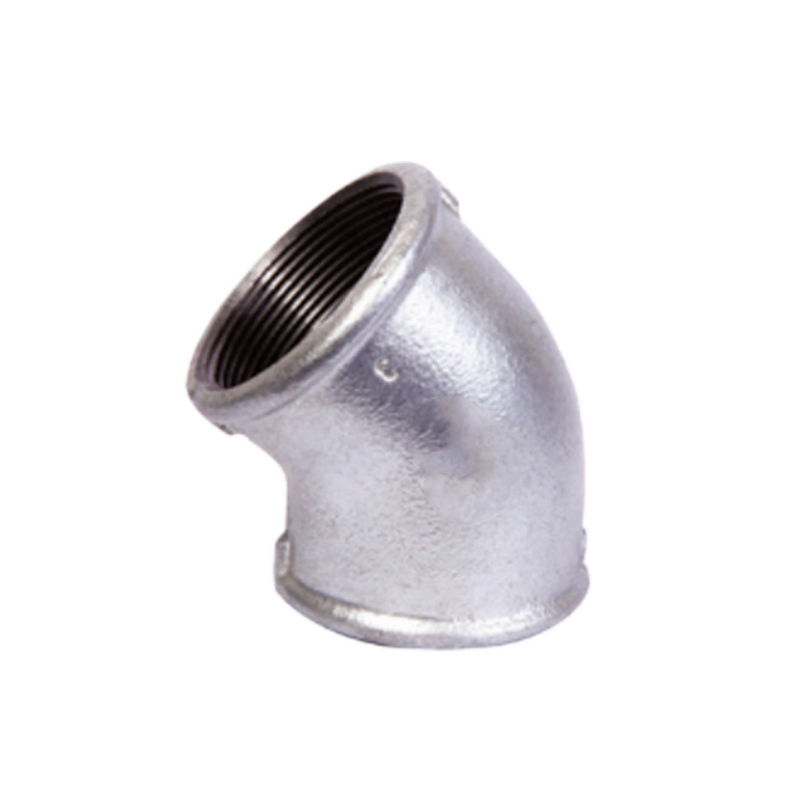
What Are Class 150 and Class 300 Malleable Iron Pipe Fittings?
Before contrasting Class 150 and Class 300 fittings, purchasers must understand what the class marking signifies in actual project use. The class relates directly to pressure-temperature capabilities. It is not just a basic number.
What Does “Class” Mean?
In the context of malleable iron pipe fittings, “Class 150” and “Class 300” indicate standardized pressure classes. These specific classes are frequently utilized for threaded fittings within piping networks. They guide engineers and buyers to pick fittings that suit system pressure and temperature demands.
A frequent error is assuming that Class 150 signifies the fitting can solely manage 150 psi. In reality, the true working pressure relies on the standard, dimension, and temperature. Fitting type and the supplier’s technical data also matter. Purchasers must always verify the product specification prior to placing an order.
What Are Malleable Iron Pipe Fittings Used For?
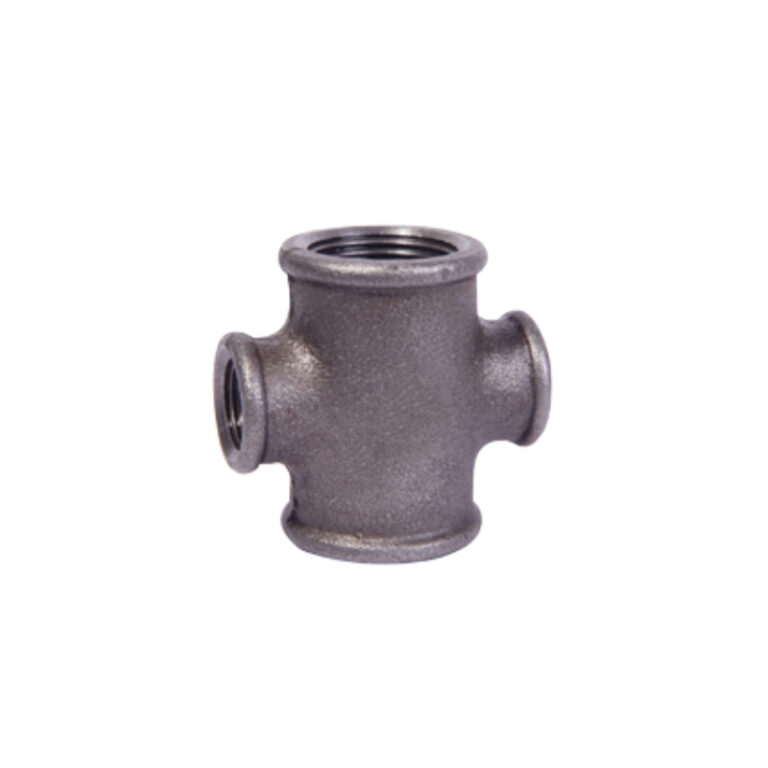
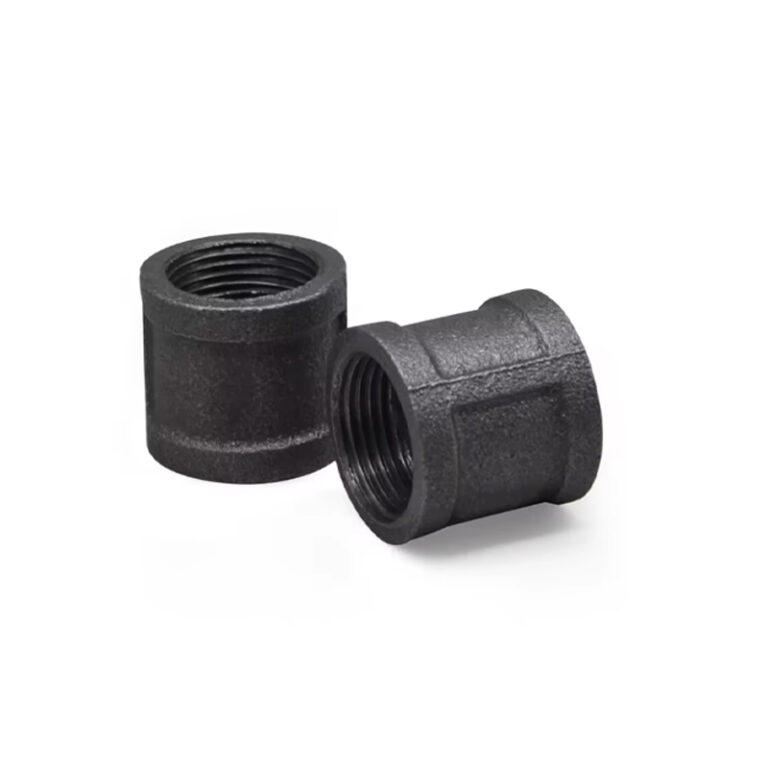
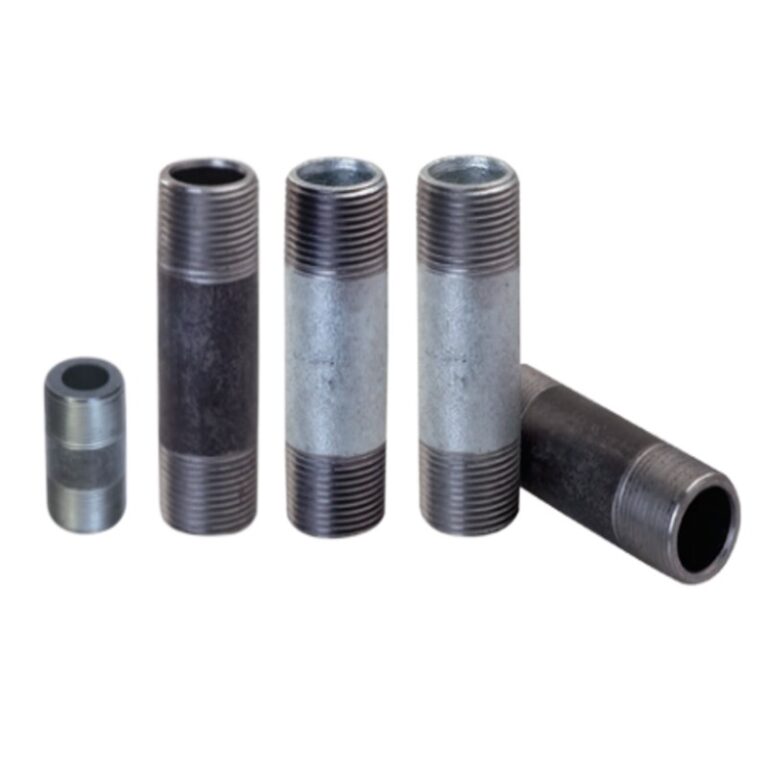
Malleable iron pipe fittings are threaded elements utilized to link pipes. They also change pipeline routes, decrease pipe dimensions, or establish branch connections. Typical products encompass elbows, tees, sockets, unions, reducers, caps, plugs, and bends.
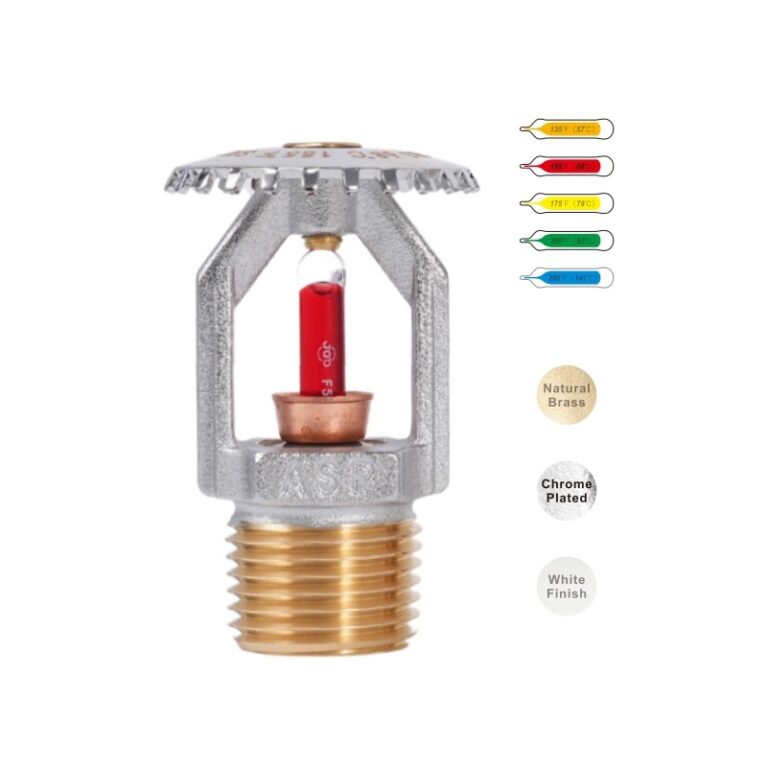
They are extensively employed because malleable iron provides excellent strength and toughness. It also offers dependable threaded connection performance. In fire protection networks, these fittings are frequently utilized in sprinkler pipelines and branch lines. They are also found in maintenance connections and supporting pipe structures.
How Are Class 150 and Class 300 Different?
The primary distinction between Class 150 and Class 300 is pressure capacity. Yet, this distinction also impacts product structure, weight, pricing, and appropriate applications.
Pressure Rating
Class 300 fittings are engineered for more intense pressure service compared to Class 150 fittings. They are ideal for networks where pressure is elevated. They are also used where the project specification demands a tougher pressure class.
Class 150 fittings are appropriate for numerous typical low-to-medium pressure uses. They are routinely utilized when the working pressure and temperature remain within the permitted rating limits.
Wall Thickness and Weight
Class 300 fittings are typically thicker and heavier than Class 150 fittings. This robust structure assists in supporting elevated pressure. However, it also raises material usage, shipping weight, and handling effort throughout installation.
Class 150 fittings are normally lighter and more budget-friendly. For large-scale projects, this can assist in lowering overall purchase expenses and installation difficulty.
Cost Difference
Class 300 fittings usually carry a higher price than Class 150 fittings. This is because they demand more material and a sturdier design. For distributors and project buyers, this price gap can become notable in massive orders.
Still, purchasers must not select Class 150 solely to cut costs if the project demands Class 300. Utilizing the incorrect class might result in leakage hazards, inspection failures, or rework. It can also cause system safety issues.
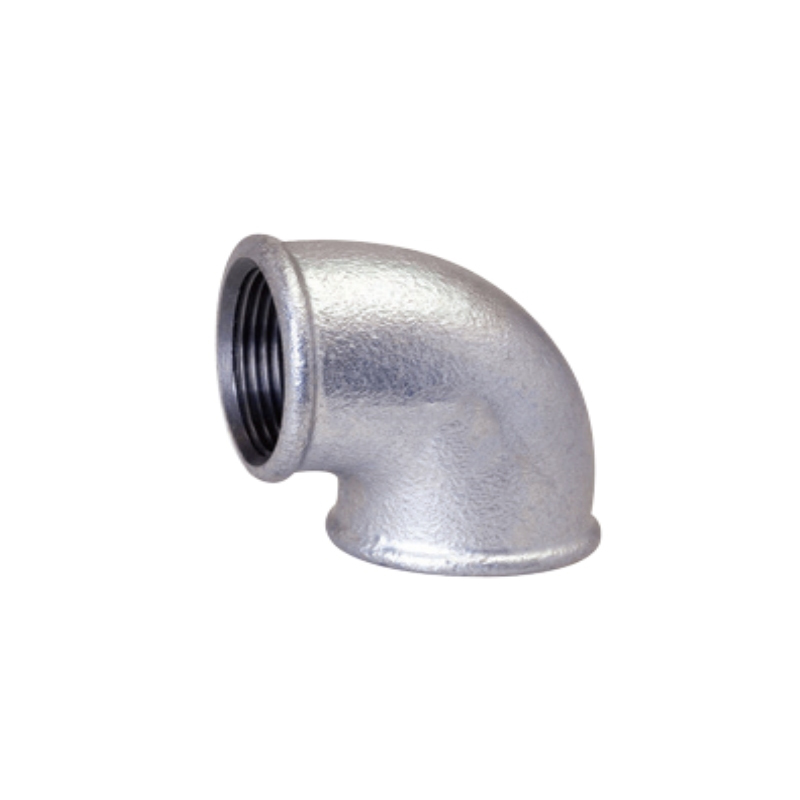
When Should Buyers Choose Class 150 Fittings?
Class 150 malleable iron pipe fittings are broadly utilized because they present a sensible balance among performance, availability, and expense. They are suitable for numerous standard piping tasks when the system conditions align with the rating.
For General Low-to-Medium Pressure Systems
Class 150 fittings are frequently utilized in water lines and low-pressure mechanical setups. They are also used in standard utility piping and certain fire protection applications. If the system pressure, temperature, and local code rules fall within the Class 150 limits, this choice is generally sensible.
Purchasers must still confirm working pressure, test pressure, and potential pressure surges. Fluid type must also be checked before making a final choice.
For Cost-Sensitive Projects
When a project requires a massive quantity of fittings, Class 150 can assist in managing the budget. Contractors and wholesalers frequently select Class 150 fittings when the specification permits them. This happens when there is no requirement for a superior pressure class.
This is typical in commercial structures, storage facilities, maintenance tasks, and standard replacement purchases.
For Common Stock and Distribution
Class 150 fittings are broadly requested across numerous markets. For distributors, holding Class 150 elbows, tees, sockets, unions, and reducers in inventory can satisfy constant customer needs.
For smaller contractors and maintenance purchasers, Class 150 fittings are frequently simpler to locate. They are also more economical for routine repairs.
When Should Buyers Choose Class 300 Fittings?
Class 300 fittings are utilized when a project demands superior pressure capacity or a tighter safety margin. They are also used for stronger compliance with engineering specifications. They are not essential for every task, but they are crucial in challenging applications.
For Higher Pressure Systems
If the system pressure exceeds what Class 150 fittings can securely manage, Class 300 fittings must be evaluated. They might be utilized in higher-pressure water setups and compressed air lines. They are also found in industrial piping and particular mechanical installations.
Prior to ordering, purchasers must evaluate design pressure and test pressure against the fitting’s technical rating.
For Strict Project Specifications
Certain engineering blueprints, material lists, or project files explicitly demand Class 300 fittings. In this situation, purchasers must not swap them with Class 150 fittings without consent from the project engineer.
Incorrect substitution might trigger inspection troubles, project hold-ups, or extra replacement expenses.
For Additional Safety Margin
In particular projects, Class 300 fittings are chosen to deliver a greater safety margin. This might be beneficial when pressure variations are possible or maintenance access is tough. It is also useful when the system demands exceptional long-term reliability.
However, purchasers must also evaluate cost, weight, and actual application necessities before choosing Class 300.
Why Choose FLUID TECH PIPING SYSTEMS (TIANJIN) CO.,LTD?
FLUID TECH PIPING SYSTEMS (TIANJIN) CO.,LTD is a dependable provider of malleable iron pipe fittings and fire protection piping products. The enterprise delivers threaded malleable iron fittings across diverse standards. These include BS/EN, American standard, and DIN standard series. This helps purchasers satisfy distinct market and project demands.
A Practical Product Range for Piping Projects
FLUID TECH provides malleable iron elbows, tees, sockets, reducing fittings, unions, and related threaded fittings. The enterprise also presents broader fire protection items. These include grooved fittings, valves, pipes, pipe hangers, and sprinkler accessories.
This product assortment assists contractors, importers, and distributors in streamlining sourcing. They can purchase matching components from a single supplier.
Support for B2B Buyers
For B2B clients, product uniformity, accurate standards, solid packaging, prompt delivery, and clear technical communication are crucial. FLUID TECH can aid project purchasers with appropriate product selection and standard verification. They also supply materials for fire protection and general piping applications.
Conclusion
Class 150 and Class 300 malleable iron pipe fittings serve distinct pressure and project demands. Class 150 is typically an economical option for numerous low-to-medium pressure networks. Meanwhile, Class 300 is superior for elevated pressure applications and tighter specifications. It is also better for projects that demand a robust safety margin. Purchasers must evaluate working pressure, test pressure, temperature, application, and thread standard. Project documents should also be reviewed before reaching a decision. By collaborating with a dependable supplier like FLUID TECH PIPING SYSTEMS (TIANJIN) CO.,LTD, purchasers can pick suitable malleable iron pipe fittings. This ensures safer, more effective, and more budget-friendly piping projects.
FAQs
1. Is Class 150 the same as 150 psi?
No. Class 150 does not merely signify 150 psi. The true allowable working pressure relies on the standard, fitting dimension, and temperature. Fitting type and the supplier’s technical data also play a role.
2. Is Class 300 always better than Class 150?
Not always. Class 300 possesses superior pressure capacity, but it is heavier and more costly. If Class 150 already satisfies the project demands, it might be the more budget-friendly option.
3. What information should buyers provide before ordering?
Purchasers must supply fitting type, dimension, amount, pressure class, and thread standard. Surface treatment, application, working pressure, temperature, and any necessary project specifications are also required.