Certification claims strongly guide buying choices for malleable iron pipe fittings. People use these items in fire protection, potable-water, HVAC, and industrial piping systems. However, a simple logo or a scanned certificate is not enough. It does not show that every elbow, tee, socket, or bushing in a supplier’s catalogue has full certification. Buyers must check several details before they approve an order. They need to confirm the issuing body and the certificate holder. They must also look at the manufacturing site, product model, size, thread, surface finish, and the intended application.
What Do UL Listed, UL Recognized, and Test Reports Mean?
The first step involves checking the exact kind of evidence provided. Documents might look quite similar at first glance. Still, they can hold vastly different technical and commercial values.
How Is UL Listed Different from UL Recognized?
The UL Listed mark usually refers to a whole product tested for field installation. Meanwhile, the UL Recognized Component certification covers a specific part. This part is meant for use inside a bigger certified product. It often comes with clear conditions of acceptability.
Therefore, a UL Recognized Component mark does not mean that an entire pipe fitting or piping assembly is UL Listed. Furthermore, UL advises using exact terms like Listed, Classified, or Recognized. Buyers should avoid the informal phrase “UL approved.”
Why Is a Test Report Not the Same as Certification?
A test report merely shows the results gathered from submitted samples. These tests happen under very specific conditions. This report does not automatically create an active product listing. It also does not grant permission to use a certification mark. Furthermore, it does not guarantee ongoing factory surveillance.
Buyers need to see exactly what the supplier has provided. This could be a laboratory report, a product certificate, an official listing, or a Declaration of Conformity. After that, buyers must verify this document directly with the issuing organization.
How Can Buyers Verify UL and FM Certification Status?
Both UL and FM offer official databases that anyone can search. The verification process must start with details pulled straight from the certificate. Buyers should also use data from the product marking, the catalogue, and the technical datasheet.
How Should UL Product iQ Be Searched?
The UL Product iQ platform lets users search using several methods:
- Certificate holder or company name
- Exact product model
- UL File Number
- Category Control Number, or CCN
- Product category or standard
Once you find a result, open the complete certification record. You must check the product identity, model series, and ratings. Also, review the applicable standards and any listed limitations. The Product iQ database holds both whole products and single components. Because of this, the certification type must perfectly match your planned application.
Just finding the supplier’s company name is never enough. You must confirm that your specific ordered fitting type falls within the certified scope. This includes checking the nominal size, pressure class, thread standard, and surface finish. Finally, you should keep a dated copy or a screenshot of the database record in your project file.
How Should the FM Approval Guide Be Used?
The FM Approval Guide gives up-to-date details on products and services with FM Approval. Buyers can easily search this guide by manufacturer or product type. They can also look up items by model or other related approval data.
You must compare the search result with the supplier’s quotation and technical datasheet. Make sure that the official record actually covers malleable iron pipe fittings. It should not just cover a different product family made or sold by that same company.
How Can BSI, LPCB, and NSF Claims Be Checked?
These specific certification schemes target different markets and uses. Buyers must check every single claim through its own official verification directory.
How Is a BSI Certificate Validated?
The BSI Certification and Verification directory allows searches by company name or certificate number. It also features an advanced search tool specifically for BSI Kitemark products.
Buyers need to examine the certificate scope and the legal company name. They must also verify the certified manufacturing site, certificate reference, effective date, and expiry date. An ISO 9001 management-system certificate is quite different from a BSI product certification. It does not automatically cover a specific range of malleable iron pipe fittings.
How Is an LPCB Listing Confirmed?
RedBook Live serves as the official platform for checking LPCB-certified fire safety and security products. Users can search this site by product, company, or address. They can also use the certificate number or the applicable standard.
The product description, certificate holder, and manufacturer must match the exact fittings offered for the project. This rule also applies to the model range and certificate status. Buyers should never accept an LPCB logo printed in a brochure on its own. They must always confirm the matching RedBook Live listing first.
How Is NSF Certification Confirmed?
Some malleable iron fittings are meant for drinking-water applications. For these items, buyers must search the NSF Certified Products and Systems directory. They can look up items by company, brand, model, or standard.
NSF/ANSI/CAN 61 listings often include specific restrictions. These limits might relate to product type, nominal size, water-contact material, or operating temperature. Getting certification for one fitting series does not automatically cover everything else. It does not apply to every black, electro-galvanized, or hot-dip galvanized fitting sold by that same company.
Why Does a Valid Certificate Not Cover Every Product?
Product certification is always tied to a specific scope. You should never treat one valid certificate as blanket approval for an entire product catalogue.
Which Product Details Must Match the Listing?
Buyers must carefully compare the following details:
- Fitting category and figure number
- Exact model designation
- Nominal size range
- Working-pressure rating
- Thread type and standard
- Black or galvanized finish
- Applicable medium and temperature
- Manufacturing location
For example, a certification that covers a black BSPT elbow might not include a hot-dip galvanized BSPP bend. Fluid Tech provides BS/EN, American-standard, and DIN-standard malleable iron fittings. Meanwhile, its product pages show various threads, finishes, sizes, and certification claims. All these different variables still require strict model-level verification.
Who Is the Certificate Holder?
The certificate holder acts as the legal entity authorized by the certification organization. The actual production factory might appear separately on the record. At the same time, a trader, exporter, distributor, or private-label brand might sell the finished product. They often do this using a completely different company name.
Buyers need to clearly identify four separate roles. These are the certificate holder, the actual manufacturer, the exporter, and the brand owner. Any unexplained difference among these groups must be resolved. Buyers should get this clarification in writing before they approve the product.
What Should a Project Submittal Package Include?
A robust project submittal directly links the official certification listing to the physical items. It proves that the exact fittings arriving at the construction site are the correct ones.
Which Technical Documents Are Essential?
The submitted package needs to include:
- Current certificate or official listing extract
- Official database verification record
- Product datasheet
- Dimensional drawing
- Material specification
- Pressure and temperature ratings
- Thread standard
- Surface-treatment details
- Installation instructions
Product names, models, and figure numbers must stay completely consistent across every single document.
Which Quality Records Add Traceability?
You might also need some additional records to ensure traceability. These can include a Certificate of Conformity, a batch or lot number, and an inspection report. An applicable pressure-test report, a packing list, and clear photographs of the product markings are also very helpful.
Different projects have different needs. Because of this, consultants might also ask for material certificates or factory audit records. They could even request third-party inspection reports or pre-production samples.
Why Is FLUID TECH PIPING SYSTEMS (TIANJIN) CO., LTD. a Reliable Supplier?
The reliability of a supplier rests on two main pillars. These are solid product capability and excellent document control.
What Can Fluid Tech Supply?
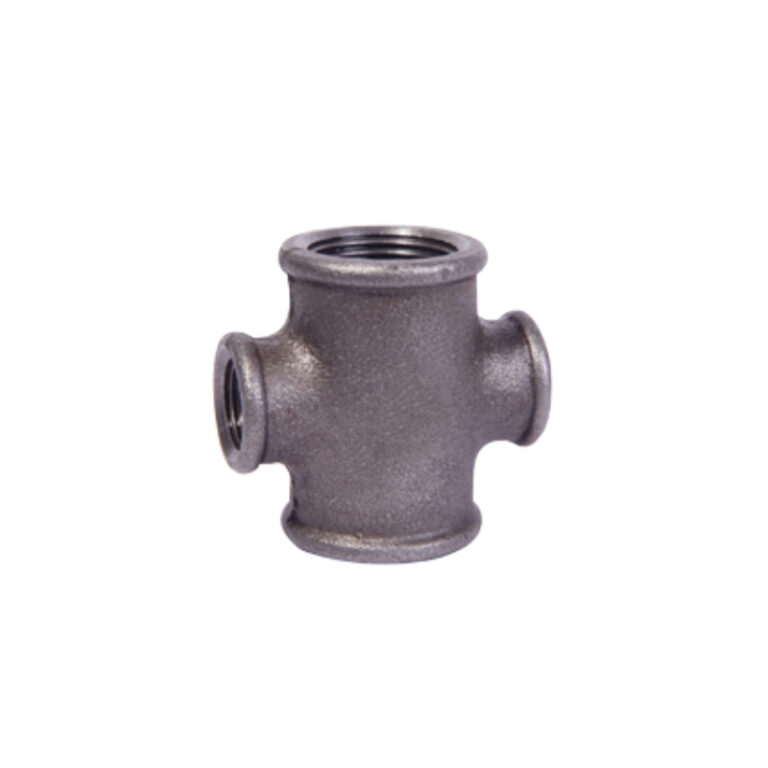
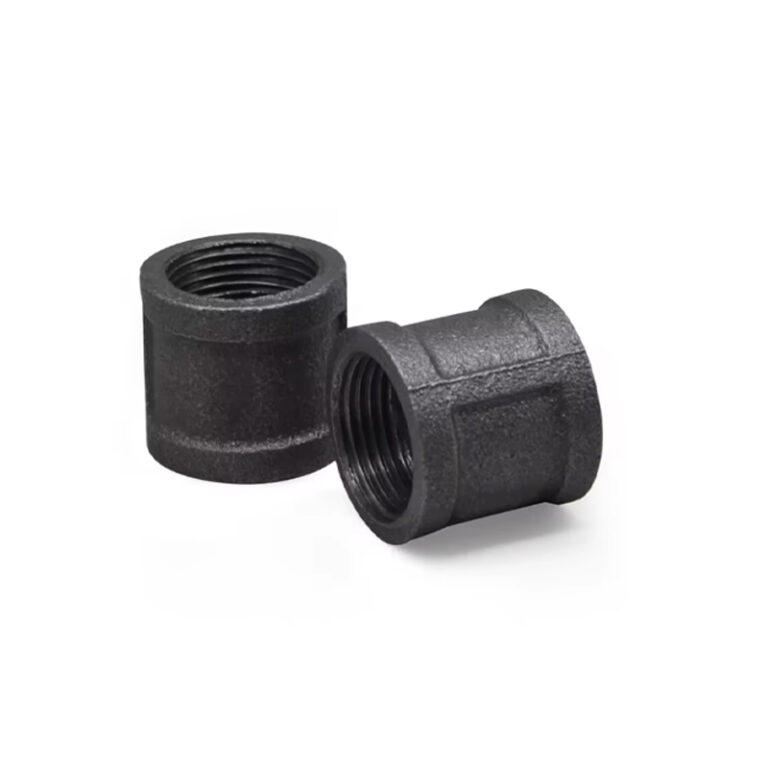
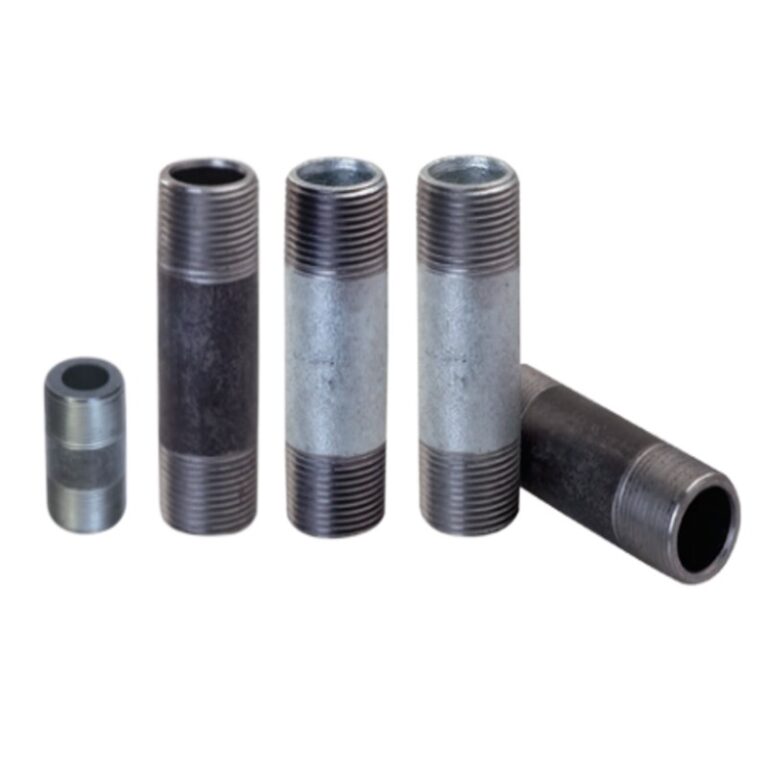
FLUID TECH PIPING SYSTEMS (TIANJIN) CO., LTD. supplies a wide variety of items. They offer BS/EN, American-standard, and DIN-standard malleable iron pipe fittings. This selection includes elbows, tees, sockets, reducers, nipples, caps, and plugs.
The company’s product range features black, electro-galvanized, and hot-dip galvanized finishes. Certain product pages clearly state FM, UL, BSI, LPCB, and NSF 61 certification claims. Buyers can easily ask for the relevant certification scope and technical drawings. They can also request datasheets and project submittal documents for the exact models they need.
What Is the Final Takeaway?
Checking a certification is definitely not just a quick glance at a logo. Buyers must take several steps before approving malleable iron pipe fittings. They should search the official database and match the exact model and specification. They must also confirm the certificate holder and the manufacturing site. Finally, they need to review the validity dates and gather a complete technical file.
The official listing, purchase order, and product marking must all align perfectly. The packing documents and the actual delivered goods should also identify the exact same certified product.
FAQs
Can One UL Certificate Cover Products Made by Another Factory?
This is only possible when the official UL record explicitly covers the product. It must also list the applicable manufacturing arrangement or production location. A simple commercial relationship with the certificate holder is not enough evidence. It does not prove that products from another factory have coverage.
Is an Expired Certificate Acceptable for Older Stock?
This situation depends heavily on the production date and the specific certification rules. It also relies on the authorization to apply the certification mark and the overall project requirements. To be safe, buyers should get written confirmation directly from the certification body or the approving authority.
Should Every Carton Carry Certification Information?
Marking requirements change depending on the certification scheme and the product category. Buyers must compare the official marking requirements with the actual fitting body and the labels. They should also check the cartons, the packing list, and all shipping documents.