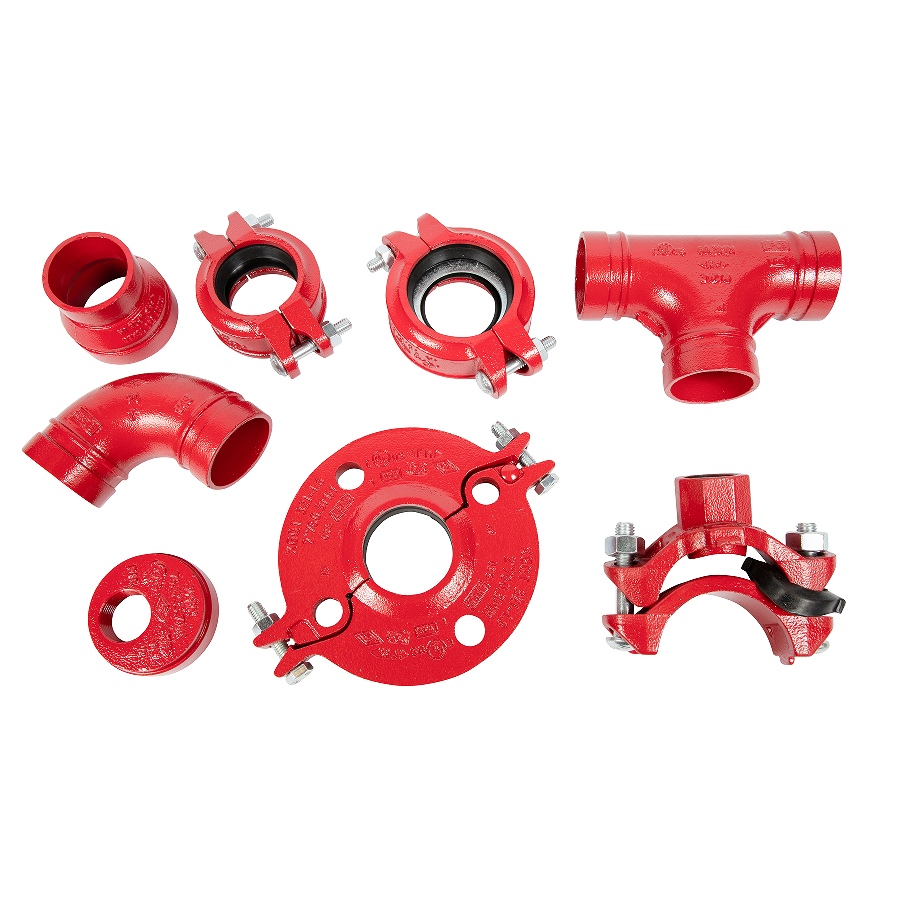
A grooved flange adapter links grooved pipe to flanged valves, pumps, and hydrant parts. It also connects to other machinery. Picking the right one takes more than just matching DN or NPS sizes. Purchasers need to look at the flange standard and pressure designation. They must also confirm the pipe outside diameter, bolt pattern, and gasket details. Temperature limits and the ratings of attached parts matter too. This guide compares Class 125, Class 150, Class 300, PN10, PN16, and PN25. It covers uses in fire protection, water supply, HVAC, municipal, and industrial piping.
What Does a Grooved Flange Adapter Pressure Rating Tell You?
This marking serves as a helpful guide for buyers. However, it does not set the safe pressure limit for the entire pipeline on its own. You have to read it alongside the specific standard and the manufacturer data.
Why Is a Class Number Not a PSI Value?
“Class 150” does not equal a strict 150 psi limit. ASME B16.5 treats Class as a broad rating category. This standard outlines pressure-temperature ratings, materials, and physical dimensions. It also details marking and testing rules. The actual allowed pressure relies heavily on the chosen material and the working temperature.
Fluid Tech offers a ductile iron ANSI adaptor flange. This part comes in Class 150/Class 300 setups. It features product ratings of 1.6 MPa and 2.5 MPa. Buyers should still double-check the exact size, model, and drawing. Confirming the certificate scope is also a necessary step.
Why Does the Lowest-Rated Component Control the Joint?
A single joint might hold pipe, a coupling, an adapter, and a gasket. It also includes bolts, a valve, and a pump flange. The whole setup can never surpass the weakest rating found among these pieces. System surge and water hammer events demand extra caution. Hydrostatic testing, high heat, and rust also force engineers to add a safety margin. Good installation practices play a big role here too.
How Do Class 125, Class 150, and Class 300 Differ?
These labels show up frequently in American-standard piping systems. Yet, they do not share a single set of dimensional rules. A clear project specification needs to list both the class and the specific governing standard.
Where Is Class 125 Used?
Class 125 usually links to gray-iron flanges and fittings. These parts fall under the ASME B16.1 rulebook. Workers often spot them in waterworks facilities and pump rooms. They also appear in older mechanical setups and various cast-iron machines.
Buyers must not treat this class as a simple substitute for Class 150. The drilling patterns might look like a match at first glance. Still, users have to check the bolt circle and hole sizes. They must also confirm the flange face style, gasket type, and safe pressure limits.
When Are Class 150 and Class 300 Selected?
Builders pick Class 150 when they need a good balance. They weigh pressure needs against part availability, overall weight, and budget. On the other hand, Class 300 fits tougher jobs. Engineers choose it for higher pressure lines or strong surge risks. High heat or strict project rules might also demand this heavier-rated joint.
A Class 300 adapter always needs matching equipment. Adding just one strong piece does not boost the rating of the whole pipeline.
What Do PN10, PN16, and PN25 Mean?
PN labels show up often in EN and ISO-based networks. ISO 7005 pairs PN marks with flanges sorted by DN. Meanwhile, EN projects usually ask for a nominal size alongside a specific PN level.
How Do PN Levels Relate to Pressure?
For a simple start, PN10 matches up with 1.0 MPa. PN16 links to 1.6 MPa, and PN25 stands for 2.5 MPa. Fluid Tech builds its EN grooved adaptor flange to meet EN1092-style rules. They supply PN10, PN16, and PN25 versions that hit these exact pressure marks.
PN10 works well for basic, low-pressure water tasks. Planners frequently demand PN16 for fire protection and HVAC layouts. Municipal pipelines rely on it too. PN25 steps in for tall high-rise buildings and tough pump discharge lines. It handles a greater static head and survives intense surge shocks. In the end, careful hydraulic math makes the final choice.
Can ANSI Classes and PN Ratings Be Directly Converted?
A quick conversion chart looks very handy at first. However, ANSI/ASME Class and EN PN systems follow totally different dimensional rules. They use distinct methods to test pressure, and their flange patterns do not line up perfectly.
Is Class 150 the Same as PN16?
No, they are not identical. These two options might handle similar pressure levels on certain jobs. Yet, you cannot just swap them without checking. The flange diameter and pitch-circle diameter often vary. Bolt holes, facing styles, and the range of covered sizes can differ greatly.
Before you buy, confirm the exact standard and the Class or PN rating. Check the DN/NPS, pipe OD, and the groove profile. You must also verify the bolt pattern, flange face, and gasket material. Look at the temperature limits, working pressure, and test pressure. Finally, review the coating and any official approvals. Just because a flange bolts together easily does not mean it forms a safe pressure joint.
How Should Buyers Select the Correct Rating?
A safe choice starts with gathering complete operating facts and interface measurements. This careful step stops incorrect part deliveries. It cuts down on messy site changes and dangerous leaks. It also prevents long delays during the startup phase.
Which Conditions Must Be Checked?
Write down the type of fluid and the normal operating pressure. Note the maximum static pressure and the pump shutoff pressure. Think about any possible surge events, test pressure values, and temperature swings. After that, verify the rating for every single part in the line.
Look closely at the actual pipe OD and the exact groove dimensions. Do not rely solely on a basic nominal size. Make sure the adapter drilling and facing match the linked equipment perfectly. Always ask the supplier for an accurate dimensional drawing before you place an order.
Why Choose FLUID TECH PIPING SYSTEMS (TIANJIN) CO., LTD?
A solid grooved flange supplier needs to deliver the right products. They should also offer helpful support during the early planning and quoting stages. Good vendors stand by you through inspection and final installation.
What Can Fluid Tech Supply?
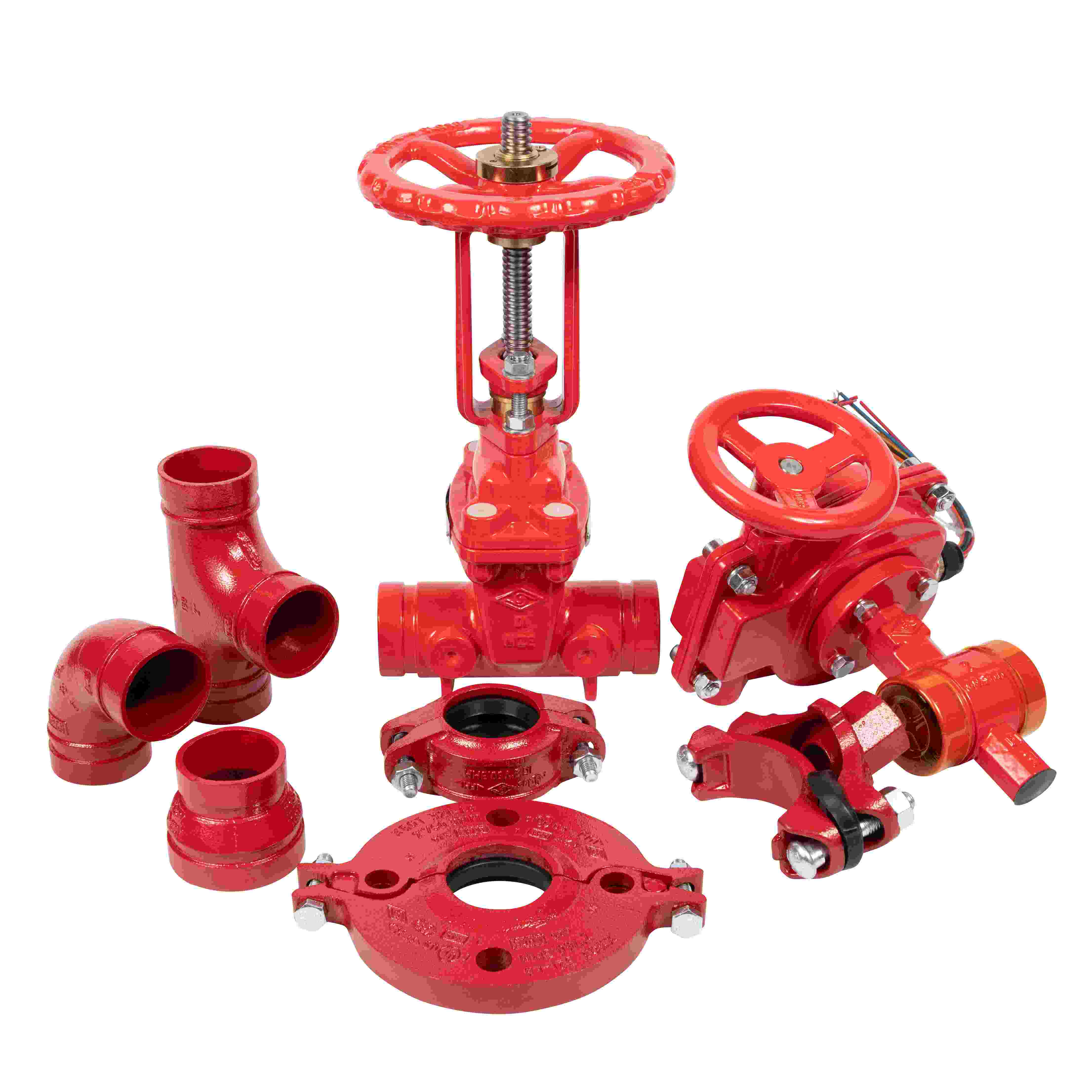
FLUID TECH PIPING SYSTEMS (TIANJIN) CO., LTD provides grooved piping and fire protection goods for global projects. Their lineup features ANSI-style Class 150/Class 300 items. They also stock EN PN10/PN16/PN25 adaptor flanges. These products rely on strong ductile iron. They come with red epoxy or hot-dip-galvanized finishes based on the specific model. Furthermore, Fluid Tech shares detailed dimensional facts and handles strict inspections. They offer OEM services and give clear installation advice.
Conclusion
Do not pick a grooved flange adapter just by looking at Class or PN numbers. Always verify the flange standard, working pressure, and temperature limits. Check the pipe OD, groove dimensions, drilling layout, and facing design. Review the gasket type, the connected equipment, and the test conditions. Make sure to clear all required approvals. Just because pieces look like they fit does not replace a proper technical check.
FAQs
Is Class 150 the Same as 150 PSI?
No, it is not. Class 150 acts as a broad rating category. It does not enforce a strict 150 psi limit. The allowed pressure changes based on the applied standard and the metal used. Temperature, part size, and specific manufacturer data also shift this limit.
Can a PN16 Adapter Connect to an ANSI Class 150 Valve?
Not right out of the box. Their pressure ranges might seem very close on paper. However, the physical dimensions and bolt patterns often clash. You should use an adapter built specifically for the mating standard. If you are unsure, get solid technical proof first.
Should I Check Working Pressure or Test Pressure?
You need to check both of them. Every single part has to survive normal operating states and tough hydrostatic tests. You must also factor in sudden surge pressure and extreme temperature shifts.