When selecting pipe fittings for your fire protection system, it is important to ensure that they can hold the necessary pressure, make installation as easy as possible, reduce the risk of maintenance issues, and satisfy any compliance requirements of the project. Ductile iron grooved pipe fittings are widely used in fire sprinkler and suppression systems as they are strong enough for mechanical applications, simple to connect, and provide adequate access for future inspection and/or maintenance. This guide outlines why ductile iron grooved pipe fittings are ideal for fire protection systems and discusses how they can increase efficiency during the installation of your system as well as what to look for when searching for a supplier.
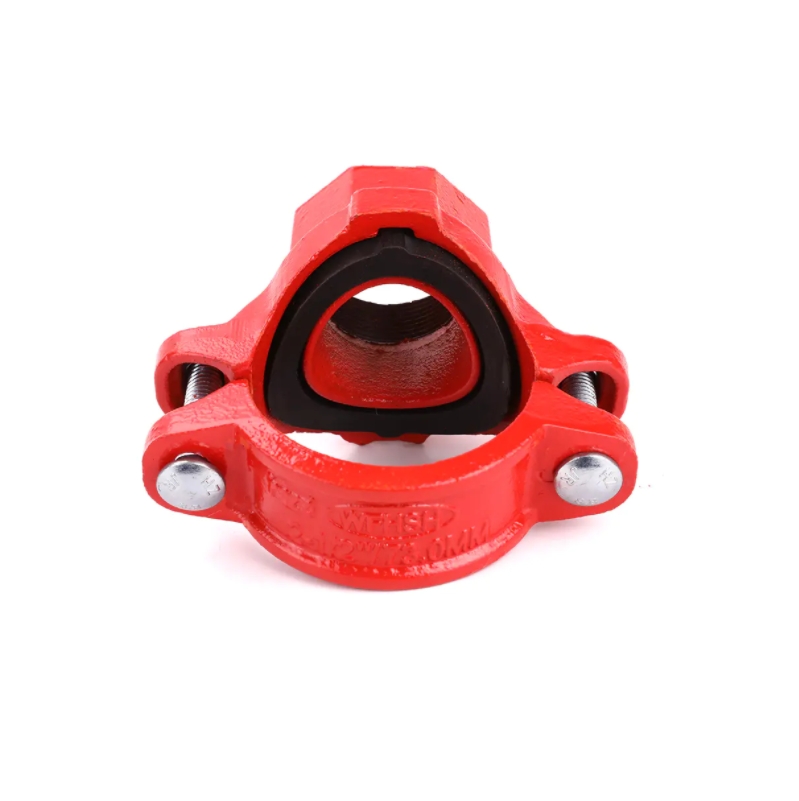
What Makes Ductile Iron Grooved Pipe Fittings Suitable for Fire Protection Systems?
Ductile iron grooved pipe fittings are widely used in today’s fire suppression systems due to their mechanical properties, versatility, and rapid installation. These components are crucial for pressurized systems of fire protection that are designed to distribute large amounts of water or fire suppressants quickly and safely in emergency situations. As components of high-performance fire protection systems, ductile iron grooved pipe fittings are subject to strict requirements with regard to safety, durability, and compliance with regulations.
Key Material Properties That Enhance System Reliability
Ductile iron offers the most pressure strength and fatigues life of any material. The high tensile and yield strength of the material ensures that iron fittings will have enough strength to sustain a system in dynamic flow conditions associated with most fire protection systems. In addition to pressure strength, ductile iron also has corrosion resistance which will extend the life of any iron system in humid or chemically aggressive environments such as pump rooms and sprinkler risers. As with any system, iron fire protection systems must also be flexible to compensate for expansion and for minor installation errors. The material and connection design of iron fittings allow for both cases without losing the seal.
Design Features That Support Fire Protection Applications
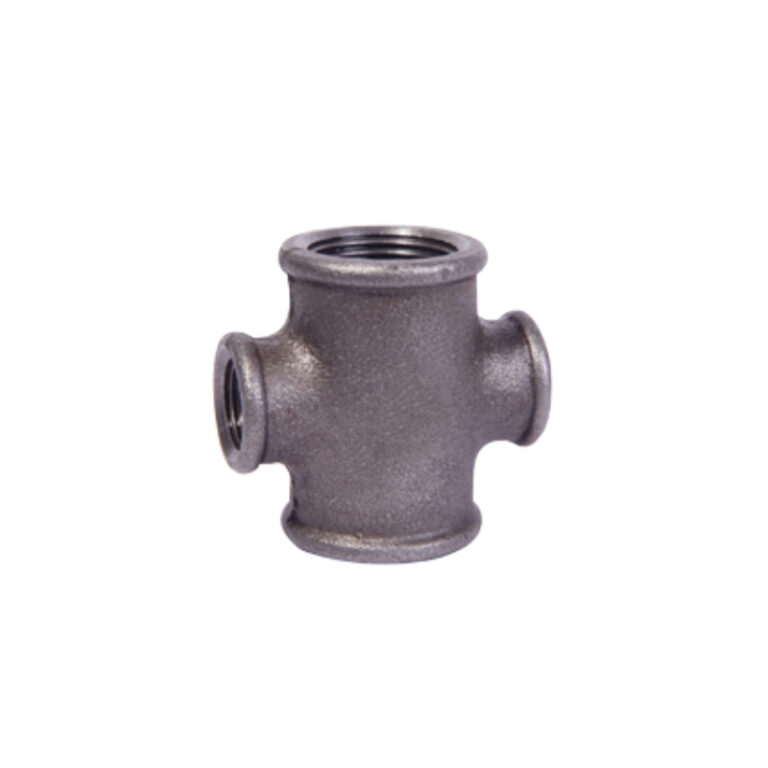
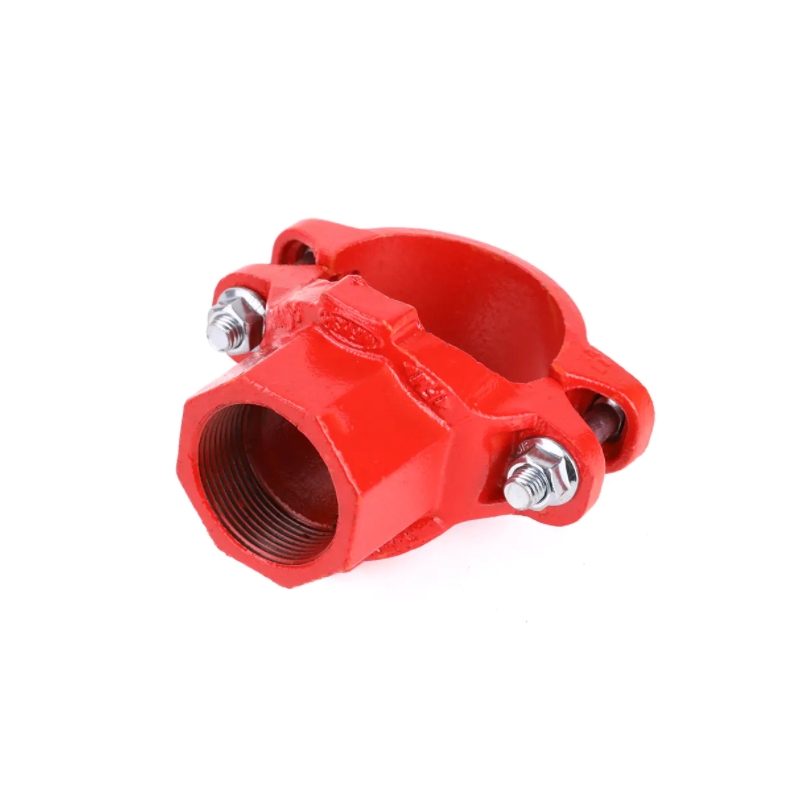
New grooved pipe fittings are designed for speed and accuracy. The grooved end connection simplifies pipe end alignment compared to welding or threading, also eliminating potential damage to coating or seal. The use of couplings on these fittings allows for controlled expansion and contraction under applied pressure and thus reduces fatigue caused by vibration or water hammer. All modern fire protection system components are compatible and can be joined using a variety of approved valves, pipes, hangers, and couplings including those offered by Fluid Tech’s range of ductile iron grooved pipe fittings, which are available as grooved couplings, mechanical tees, crosses and flanges all designed to meet or exceed the requirements of ASTM A536.
How Do Grooved Fittings Improve Installation Efficiency and Maintenance?
Grooved technology has revolutionized the way that large fire protection contracts are tackled by the contractor. Instead of spending hours assembling a contract by welding or flanging together individual items, the contractor can now use grooved fittings to assemble a contract quickly and accurately while still meeting all of the appropriate design parameters.
Installation Advantages for Contractors
Connections that have grooves instead of threads to connect pipes and tubing require less tools to assemble than most other methods of joining pipes. Assemble by placing gasket in groove and then connect by coupling. As an example, welding or threading of pipes typically require many more steps than connecting of grooved pipe. Quick acting type of coupling can have sections of pipe isolated in a matter of minutes for repair or reconnection. The pre-lubricated gaskets are also very easy to prepare for connection as they ensure that the gasket is compressed to same degree as all other connections.
Maintenance Benefits Over Conventional Joining Methods
From a maintenance perspective the grooved connection is unbeatable. In no time at all the connection can be disassembled in order to carry out inspection cycles. Cut pipes are a thing of the past. The uniform gasket pressure is also guaranteed to reduce leaks to a minimum, even in varying pressure conditions. The individual components can be replaced quickly and easily as required, without having to remove adjacent sections of pipework. This is particularly important in operational facilities, where any down time at all is kept to an absolute minimum.
What Standards and Certifications Should Contractors Consider?
Fire protection systems are regulated systems and as such require particular attention when selecting ductile iron grooved fittings to ensure that full compliance is achieved and that the ultimate objective of protecting life and property is not compromised.
Relevant Industry Standards and Testing Requirements
Products used in fire suppression must meet rigorous testing benchmarks. UL (Underwriters Laboratories) listings validate performance under simulated fire conditions by assessing pressure containment and leak resistance. FM (Factory Mutual) approvals confirm suitability for commercial fire suppression applications through mechanical endurance tests. International standards such as ISO and ASTM define acceptable material composition, wall thickness tolerances, and pressure ratings that guarantee consistent quality across installations.
Fluid tech group is the first company in northern China that specializes in the field of fire protection with his own brand -IF grooved coupling and grooved fittings. The fire protection products exported by us have passed FM/UL/CE/LPCB/VDS certifications, and the factories involved in the production have passed iso, sgs, and tuv certifications. These credentials assure contractors that every fitting meets international compliance requirements.
Importance of Certification in Project Specifications
Certified fittings support compliance with codes during inspections by Authorities Having Jurisdiction (AHJ). Documentation from certified manufacturers support the approval process with engineering consultants as well as offers traceability throughout the project lifecycle. This allows for accountability of the fitting from procurement through to operation which is critical for long-term facility management.
How Can Contractors Optimize System Performance Using Grooved Fittings?
Optimizing a grooved fire protection system typically involves selecting the correct fitting types. The choice of a particular fitting type will depend upon a number of hydraulic performance criteria as well as other environmental factors, i.e. vibration and temperature.
Selecting Appropriate Fitting Types for Fire Protection Layouts
Piping component selection greatly affects piping system flow efficiency. Elbows are used for turns and are designed to minimize turbulence. Tees are used to split flow and are designed to distribute flow equally to all pipes that branch off from the tee. Reducers are used to decrease the pipe diameter and are designed to make the diameter change gradually to prevent a sudden pressure drop. Couplings are used to connect two ends of pipe together to maintain continuity in the piping system. Flexible couplings are generally preferred in piping near pumps and in seismic zones because flexible couplings are able to absorb vibration. Rigid couplings are generally preferred for vertical risers, for long straight runs of pipe, and for other applications where alignment is critical.
On Fluid Tech’s official product page for ductile iron grooved pipe fittings https://www.topfirefighting.com/product-category/ductile-iron-grooved-pipe-fitting/ the above mentioned products can be found for use by contractors for the above-mentioned applications.
Ensuring Proper Installation Practices for Maximum Efficiency
The accuracy of the installation will determine the long term reliability of the piping system. It is very important to verify the dimensions of the groove, before making any assembly, against the manufacturer’s details. After the assembly of the flanges, bolting should be done evenly to compress the gasket to the same amount of pressure all across the seam. The hydrostatic test should be done after the assembly of all the piping system to check for any leaks before putting it to use.
Why Choose FLUID TECH PIPING SYSTEMS (TIANJIN) CO., LTD as a Supplier?
Fluid tech group is the first company in northern China that specializes in the field of fire protection. In 2018, we joined hands with a number of senior foundries and pipe fittings processing plants to establish Fluid Tech Piping Systems (Tianjin) Co., Ltd. The company provides one-stop procurement services tailored to global construction firms seeking reliable supply chains for complex projects. We strictly abide by international standards, and all exported fire protection products have passed the certification of authoritative organizations such as FM/UL/CE/LPCB/VDS to ensure the quality and reliability of each product.
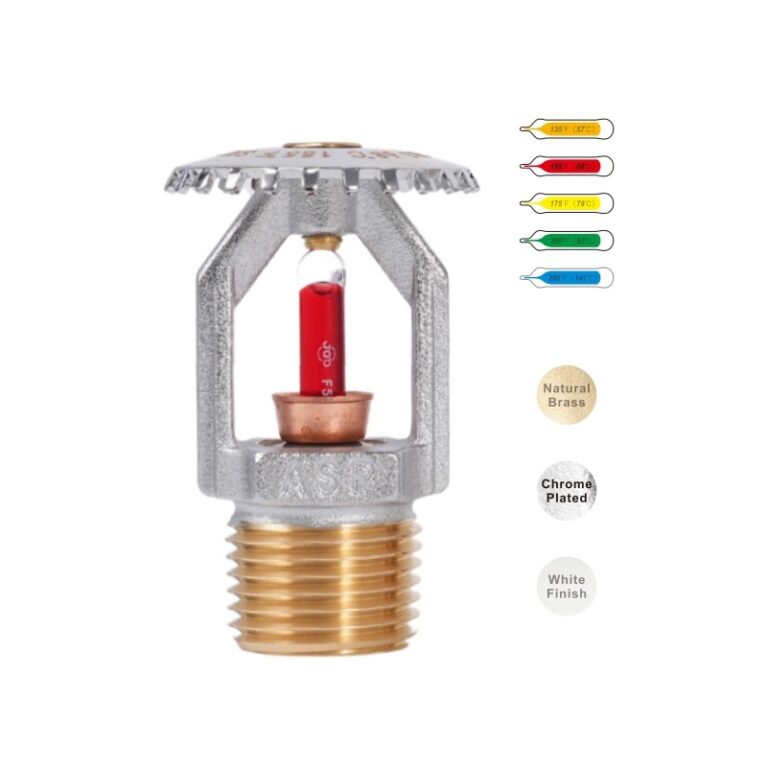
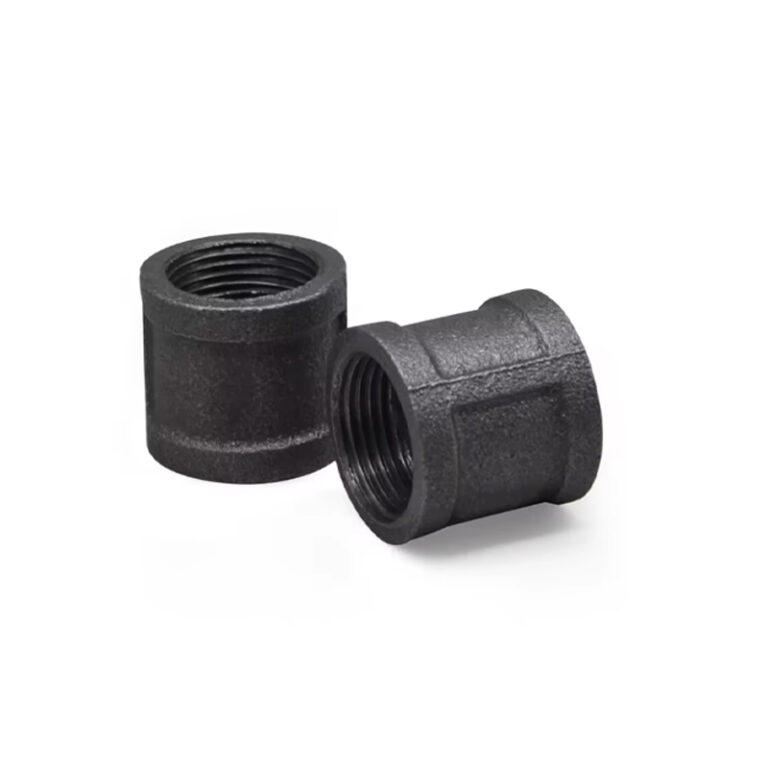
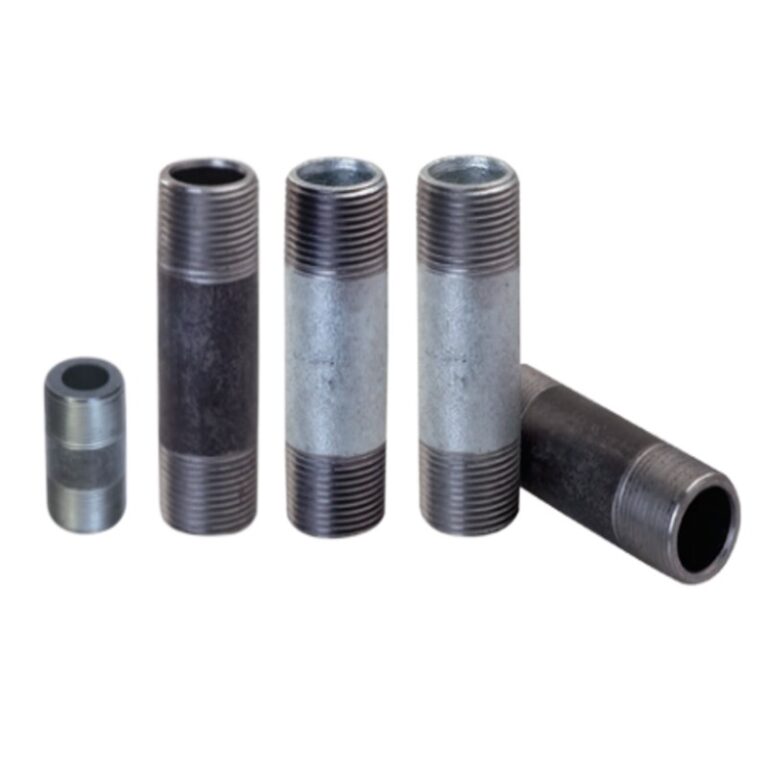
Their catalog includes grooved pipe fittings and couplings, mechanical tees and crosses, flanges, as well as many related items like: valves, hangers, seismic bracing, sprinkler heads, flexible hose, pipe nipples, pipe ends, pipe sockets, forged stainless steel threaded fittings, butt welds, flanges, and more. All of these pipe fittings can be found on their website, designed for the professional. Their pipe fittings are used for large projects in many types of infrastructure.
Key Takeaways for Contractors Selecting Ductile Iron Grooved Fittings
Contractors evaluating ductile iron grooved pipe fittings must balance technical requirements—pressure rating compatibility, corrosion resistance—with logistical factors such as installation speed and maintenance accessibility. Certified products backed by global standards offer assurance against failure while streamlining approval processes during audits or inspections. By sourcing from established suppliers like FLUID TECH PIPING SYSTEMS (TIANJIN) CO., LTD—recognized internationally for its UL/FM-certified manufacturing—contractors secure not only compliance but also durability across decades of operation within demanding fire suppression environments.
FAQs About Ductile Iron Grooved Pipe Fittings for Fire Protection
What is the primary advantage of using ductile iron grooved fittings over welded joints?
Grooved fittings are designed to be connected without welding thereby eliminating the need for welding on site saving both cost and time as well as improving safety since no work is required that involves an open flame.
Are ductile iron grooved fittings compatible with existing steel piping systems?
Yes. Our couplers can be connected to carbon steel or stainless steel pipelines. In order to connect them, the dimensions of the grooves have to be in accordance with the recognized standards, for example ASTM A536 or AWWA C606.
How often should grooved connections be inspected in a fire protection system?
Annually perform a visual inspection according to the standard maintenance schedules. Perform a detailed inspection after major modifications or the hydraulic test events to verify the joint is still intact and uncompromised for all the assemblies in the network.