Selecting the appropriate branch connection impacts installation speed, overall system dependability, upkeep needs, and the final cost of a fire sprinkler job. Two popular choices are the Grooved Reducing Tee with Threaded Branch and the Mechanical Tee. Both fittings establish smaller branch lines from a larger fire protection main. However, their physical structures and mounting techniques differ greatly. For builders, designers, suppliers, and project buyers, picking between them relies on several factors. These include whether the system is new or already in place, the necessary branch size, site conditions, pressure demands, and long-term upkeep requirements.
What Is the Difference Between a Grooved Reducing Tee with Threaded Branch and a Mechanical Tee?
Even though both components join a smaller branch line to a larger main pipe, they form that branch in distinct ways. This variation impacts how workers prepare the pipe. It also alters the mounting steps and determines where each component works best.
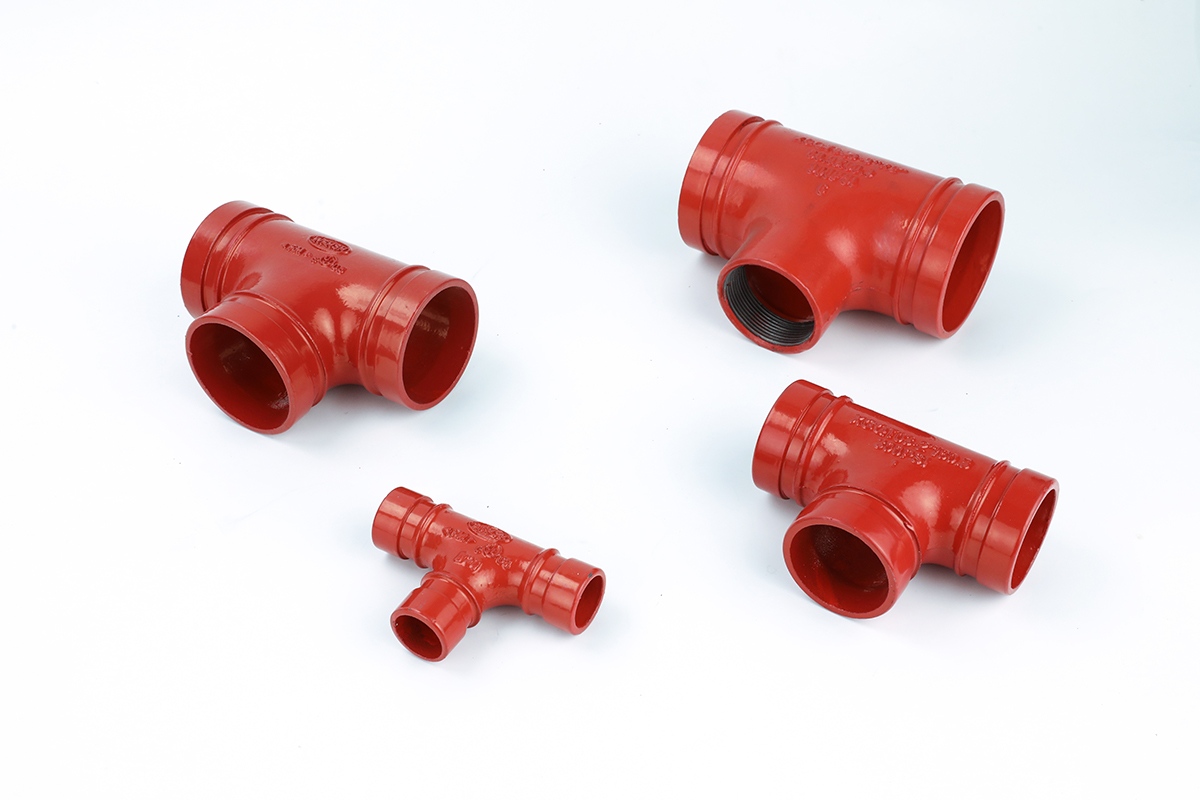
Grooved Reducing Tee with Threaded Branch
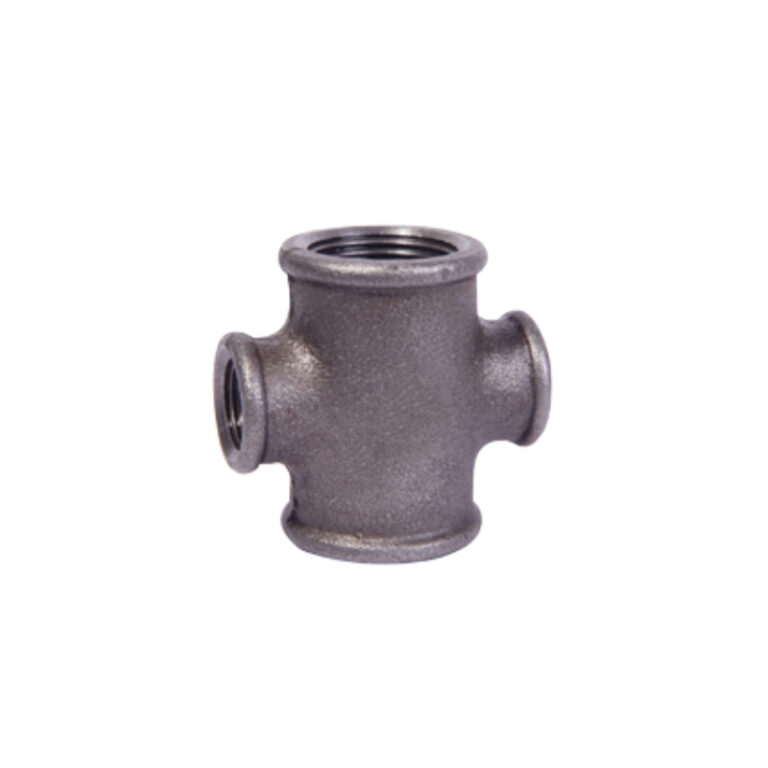
A Grooved Reducing Tee with Threaded Branch serves as a full T-shaped fitting. Its two primary run ends are grooved. Meanwhile, the smaller branch outlet features a female threaded connection.
For instance, the model from Fluid Tech is made of ductile iron. It features grooved main ends alongside a threaded branch. The item is built for pipeline branching and size reduction in fire protection networks and other piping setups. Available sizes include various main and branch pairings, such as 2″ × 1″, 3″ × 2″, 4″ × 2″, and bigger dimensions.
This layout proves highly practical when the branch spot is already planned within the piping blueprint.
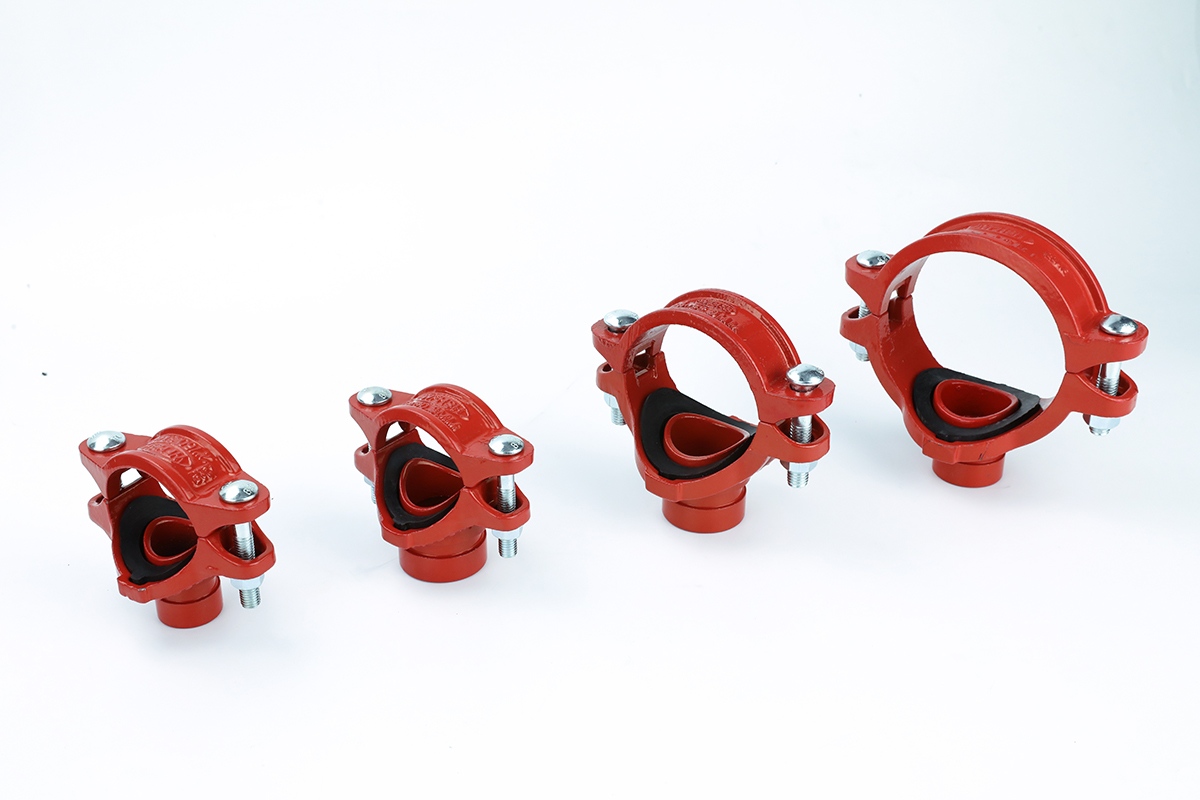
Mechanical Tee
A mechanical tee forms a branch straight from a pipe that is already installed. Instead of cutting the main line and putting in a full tee fitting, workers drill a properly sized hole into the pipe. Then, they attach the mechanical tee around that hole.
Based on the specific design, the outlet can be either threaded or grooved. Because this component fastens directly to the pipe, mechanical tees are commonly chosen for adding branches to current piping. They are also useful when swapping a full tee would demand needless pipe alterations.
Which Fitting Is Better for New Fire Sprinkler Installations?
In a fresh sprinkler setup, designers usually identify the branch spots before work begins. This knowledge makes picking fittings more straightforward. It also lets the piping network be built exactly to the approved plan.
Why Can a Grooved Reducing Tee Be a Good Choice?
A Grooved Reducing Tee with Threaded Branch offers a clearly marked branch spot as part of the piping layout. The main pipe links to both grooved ends using grooved couplings. At the same time, the smaller branch pipe or part attaches to the threaded outlet.
This setup proves handy for:
- Fire sprinkler branch piping
- Drain connections
- Small-diameter distribution lines
- Equipment connections
- Planned reductions from a larger main pipe
Since the part is already shaped like a tee, builders do not have to drill a branch hole into the body of the main pipe.
When Might a Mechanical Tee Be Preferred?
A mechanical tee might still be picked in fresh jobs. This happens when the plan needs multiple branch takeoffs from a main line. It also occurs when site conditions make direct branch outlets sensible.
The right choice should therefore rest on approved system plans, pipe sizes, outlet dimensions, required pressure limits, relevant standards, and mounting guides, rather than just the item price.
Which Option Is More Convenient for Retrofit Projects?
Upgrading a current fire sprinkler network brings different hurdles compared to setting up a new one. Builders might have to add sprinklers or branch lines. At the same time, they must keep changes to the existing main piping to a minimum.
Why Are Mechanical Tees Useful for Existing Pipes?
A mechanical tee offers a sensible fix when a new branch must be joined to a current pipe. Once the right outlet hole is cut, the tee can be attached at the exact spot. This avoids removing a whole piece of pipe to fit a standard tee.
This trait makes mechanical tees appealing for system expansions, updates, and specific retrofit tasks.
When Should You Still Use a Grooved Reducing Tee?
Sometimes, a piece of pipe is already being swapped out. Other times, the system plan demands a lasting, clearly marked reducing branch link. In these cases, fitting a complete Grooved Reducing Tee might be more fitting.
Builders should also think about ease of access. A part that seems quicker to put in at first might not always be the handiest choice for later checks or swaps.
How Do Their Installation Methods Compare?
Mounting quality is vital in fire protection piping. Whether a grooved reducing tee or a mechanical tee is picked, correct pipe prep is a must. Proper gasket placement, tightening, thread sealing, and pressure checks are also crucial.
How Is a Grooved Reducing Tee Installed?
To mount a grooved reducing tee, workers usually check and clean the grooved pipe ends. They then place the right gaskets and couplings. Finally, they tighten the coupling bolts based on the required mounting steps.
The threaded branch must also be correctly prepped and sealed before the branch line or part is attached. Fluid Tech advises inspecting the part, cleaning the grooves and threads, properly fitting the gaskets, evenly tightening the joints, and running a pressure test after the work is done.
How Is a Mechanical Tee Installed?
Mounting a mechanical tee demands an extra step. Workers must cut the branch hole in the main pipe. The hole needs the right width and location. Its edges must also be correctly smoothed before the gasket and mechanical tee are put in place.
Bad hole prep or wrong placement might mess up the seal. This fact makes precise mounting highly vital.
Which Fitting Can Reduce Total Project Costs?
Looking only at the buying price of two parts does not give a full view. Builders and buying teams should weigh the total installed cost instead.
What Costs Should Buyers Compare?
Key cost details include:
- Fitting price
- Couplings and related accessories
- Pipe cutting or hole preparation
- Installation labor
- Required tools
- Installation time
- Inspection and testing
- Future maintenance
- Modification of existing piping
For a planned new branch line, a Grooved Reducing Tee with Threaded Branch might offer a simple link with known sizes. For a current pipeline, a mechanical tee might cut down the amount of piping that must be taken out or moved around.
The cheapest fix therefore relies deeply on the real project details.
How Can You Select the Right Branch Connection?
No single part is perfect for every fire sprinkler job. A clear picking method helps prevent sizing mistakes and useless mounting effort.
What Should Engineers and Buyers Check?
Before making a purchase, verify the following details:
- Main pipe size and outside diameter
- Required branch size
- Grooved and threaded connection requirements
- Thread standard required by the project
- Working pressure
- Pipe material and system design
- Applicable project standards and approvals
- Surface finish or coating
- Whether the installation is new construction or retrofit
- Manufacturer installation requirements
Checking these details at the quote phase can also lower buying errors. This is especially true for global fire protection jobs, where pipe sizes, thread rules, and approval needs can differ.
Where Can You Find a Reliable Grooved Reducing Tee Supplier?
Product steadiness and tech help are highly vital for fire protection jobs. Buyers should team up with a vendor that can offer the right sizes, dimension choices, quality checks, and related fire protection parts.
Why Consider FLUID TECH PIPING SYSTEMS (TIANJIN) CO., LTD?
FLUID TECH PIPING SYSTEMS (TIANJIN) CO., LTD provides ductile iron grooved fittings and other fire protection items for global tasks. Its Grooved x Threaded Reducing Tee is built from ductile iron. It features grooved main ends and a threaded branch. It is also available with red-painted or epoxy-coated surface finishes. The mentioned item meets ASTM A536 and AWWA C606 rules. It carries listed pressure ratings of 1.6 MPa and 2.5 MPa.
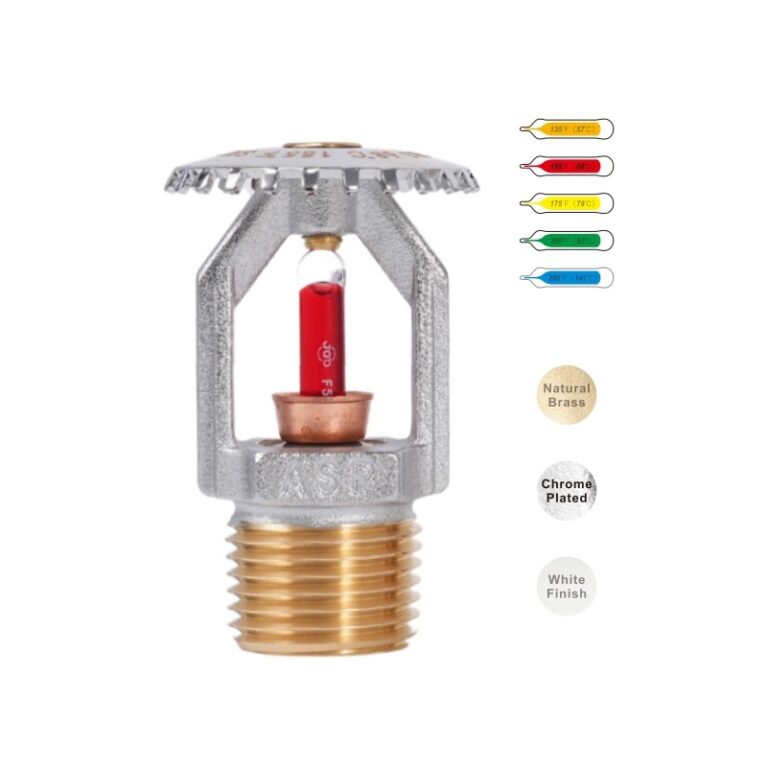
Fluid Tech also acts as a full fire protection system vendor. It offers grooved fittings, pipes, valves, sprinkler parts, seismic bracing items, and related gear for worldwide building jobs. This wide product lineup can help builders and sellers ease their buying process when many fire protection parts are needed for a single task.
Which Is the Better Choice for Your Fire Sprinkler Branch Line?
A Grooved Reducing Tee with Threaded Branch is often a solid pick for planned branch spots in fresh fire sprinkler piping. It gives a built-in reducing branch link with grooved main ends and a threaded outlet. On the flip side, a Mechanical Tee can be highly handy when joining a branch to a current pipeline without fitting a full standard tee.
The final pick should not rest on part type alone. Pipe width, branch size, site setting, project rules, system pressure, labor needs, and future upkeep must all be weighed. By pairing the part to the real piping layout, builders can reach a safer, faster, and more cost-effective setup.
FAQs
1. Can a Grooved Reducing Tee with Threaded Branch Be Used in Fire Sprinkler Systems?
Yes, it can be used when the part details, sizes, pressure limits, approvals, and joint needs fit the fire protection system plan. Fluid Tech lists fire fighting among the uses for its Grooved x Threaded Reducing Tee. Always verify the rules of the specific job before mounting.
2. Is a Mechanical Tee Better for Adding a Branch to an Existing Fire Pipe?
It can be. A mechanical tee lets a branch outlet be mounted right onto a well-prepped main pipe. This makes it handy for specific retrofit and expansion jobs. However, pipe state, open work room, branch size, system rules, and maker guides must be reviewed before choosing.
3. What Information Should I Provide When Ordering a Grooved Reducing Tee?
Supply the main pipe size, outside diameter, branch size, thread standard, required pressure rating, surface treatment, quantity, and project certification requirements. Giving the vendor full details from the start helps guarantee that the picked part fits the fire sprinkler piping network.